
CancerChoices
a healing space for people with cancer
and a resource for those who play a role
in cancer care
We are delighted to welcome Dr. Donald Abrams as our guest in next week’s monthly Q&A with Dr. Mary Hardy.
Register here to join us live — we will also share the recording after the event if you are unable to attend.
Our Supplement and Therapies Database continues to be an indispensable resource, helping you navigate the evidence behind everything from turmeric supplements to off-label drugs like ivermectin. With so much misinformation online, we know how essential it is to have a trusted place to turn. If there is a therapy you are curious about that we haven’t reviewed yet, let us know — we are here to do the research to support your decisions.
We also know many people are turning to AI tools to help interpret medical information. While these tools can be helpful, they also have limitations.
Check out our blog post on how to use AI for tips.
Has an integrative whole-person approach to cancer made a difference in your life? We would love to hear your story and help inspire others on their healing journeys.
Share your story with us here.
Thank you for being a part of our community. We are with you in your healing.
Warmly,
The CancerChoices Team
Cancer affects more than just the body — it deeply impacts your mindset. How can you stay grounded, hopeful, and resilient through it all?
At the 2025 Symington Cancer Conference, oncology naturopath and cancer thriver Dr. Jen Green shared practical, compassionate strategies for managing mindsets during cancer. In our latest feature, we highlight her key insights and tools to help you face the journey ahead with more strength and clarity.In our practitioner spotlight, Dr. Green shares her path to becoming a naturopathic oncologist and how she supports people through cancer using a whole-person approach.
Check out our in-depth Q&A where Dr. Green shares additional insights and takeaways from the recent OncANP Conference. Gain even more valuable tips to support your cancer journey.
| Read the Q&A |
Symington Cancer Conference Spotlight:
Diana Lindsay on Listening Inward and Healing
This is the first in our blog series featuring talks from the 2025 Symington Public Forum on Healing with Integrative Cancer Care, co-sponsored by CancerChoices. Each post offers a glimpse into one speaker’s insights, but we hope you will take time to watch the full talk because these are stories that truly stay with you.
When Diana Lindsay was told she had just months to live, she began tuning in to something she hadn’t relied on before: her own inner voice.
In our latest blog article, Diana shares how deep listening, inner guidance, and integrative therapies helped her heal. Her story, originally presented at the 2025 Symington Conference on Healing and Cancer, is powerful, honest, and filled with insight for anyone navigating the cancer journey.
In her presentation, Conversations with our Inner Healers and Guides, Diana Lindsay invites us into the deeply personal journey she and her husband Kelly walked through cancer, healing, death, and continued connection beyond the veil.
Diana is a stage 4 cancer survivor who co-founded Healing Circles Global with her husband Kelly to offer social support for people facing cancer and other life challenges. Diagnosed in 2006 with advanced lung cancer that had spread to her brain and wrapped around her heart, she was given a 3–9 months prognosis and a 1% chance of living five years. Nearly two decades later, she continues to thrive, give back, and offer wisdom born of experience.
Here are just a few of the powerful themes Diana shares in her talk:
Trusting inner guidance
Diana describes how intuition and imagery played a critical role in her healing — guiding her to make major treatment decisions, including the use of CyberKnife radiation and a highly risky surgery that proved successful. She emphasizes how, when asked how many people with cancer made pivotal decisions, they often say simply:
It just felt right.
I just knew.
A holistic and integrative approach
Her healing protocol blended medical treatments, inner conversations, joy, love and support, energy healing, and nutrition. She highlights the inner conversation element in particular — where visualization, dreams, and quiet listening helped her sense what her body needed and what was working.
Creating Healing Circles
After her recovery, Diana realized how critical community had been to her survival — and how many others lacked that kind of support. She and Kelly co-founded Healing Circles in Langley, Washington, to create spaces where people could be heard, held, and supported through their own journeys.
Healing Circles Global now offers free virtual circles.
Kelly’s journey and legacy
Two months after launching Healing Circles, Kelly was diagnosed with cancer — first kidney, then, more devastatingly, glioblastoma. Having witnessed the transformative power of Diana’s healing path, Kelly turned inward, embracing the guidance of inner voices and imagery. He connected deeply with a circle of inner guides, who, alongside Diana and their close-knit community, walked with him every step of the way. Diana speaks movingly about the presence and wisdom of these guides, and how profoundly they shaped Kelly’s final chapter.
Connection from the beyond
Diana movingly describes connecting with Kelly after his passing, including during a critical moment when her cancer returned. During a Gamma Knife procedure, when she needed to stay completely still, she felt him beside her, offering calm and comfort just as he had in life. Her doctors later remarked they had never seen anyone remain so still.
Diana’s story is not just about surviving cancer. It is about the power of listening inward, the strength of love and community, and the profound connections that remain even after death.
When you do things from your soul,
the river itself moves through you.
Freshness and a deep joy
are signs of the current.
—Rumi
We encourage you to watch Diana’s full talk from the 2025 Symington Conference on Healing. It is one of those stories you will want to carry with you.
Watch the full talk here
Even small daily choices can make a big difference in your health and treatment journey. Our 7 Lifestyle Practices are practical ways to support your health and they don’t require a visit to the doctor to get started.
One of these practices, Moving More, is gaining attention with new research on the benefits of dance in cancer care. Studies show that movement through dance can improve physical health, reduce stress, and enhance overall well-being.
Another recent study suggests that aspirin may help prevent cancer spread. Our review on aspirin takes a deeper dive into the full body of evidence — learn more before considering if it is right for you.
If you missed the Public Forum on Integrative Cancer Care in February, you can now catch the full speaker line-up on YouTube. Listen to Dr. Jen Green discuss Managing Mindsets, or be inspired by Mark Taylor’s journey with integrative cancer care.
With longer days and brighter mornings, now is a great time to refresh your sleep habits. Quality rest fuels energy, strengthens immunity, and may even enhance cancer treatment outcomes. If you are having trouble sleeping, our new Sleep Disruption guide has evidence-based tips for getting more rest.
In Healing,
The CancerChoices Team
New Research: Integrative Support for Immunotherapy
Emerging research highlights how complementary therapies — such as nutrition, exercise, and mind-body practices — may help improve responses to immune checkpoint inhibitors, a common immunotherapy treatment. Integrating these approaches could enhance effectiveness while supporting overall well-being. Learn more about the findings and how you can apply them to your care.
Explore Integrative Support for Immunotherapy
New Research: The Mediterranean Diet
Nutrition plays a key role in supporting your body during immunotherapy, and the Mediterranean diet is a powerful choice. Rich in vegetables, healthy fats, and lean proteins, this anti-inflammatory diet may boost immune function and overall well-being. Research suggests it could even enhance treatment responses. Learn more about its benefits and how to get started.
Explore the Mediterranean Diet
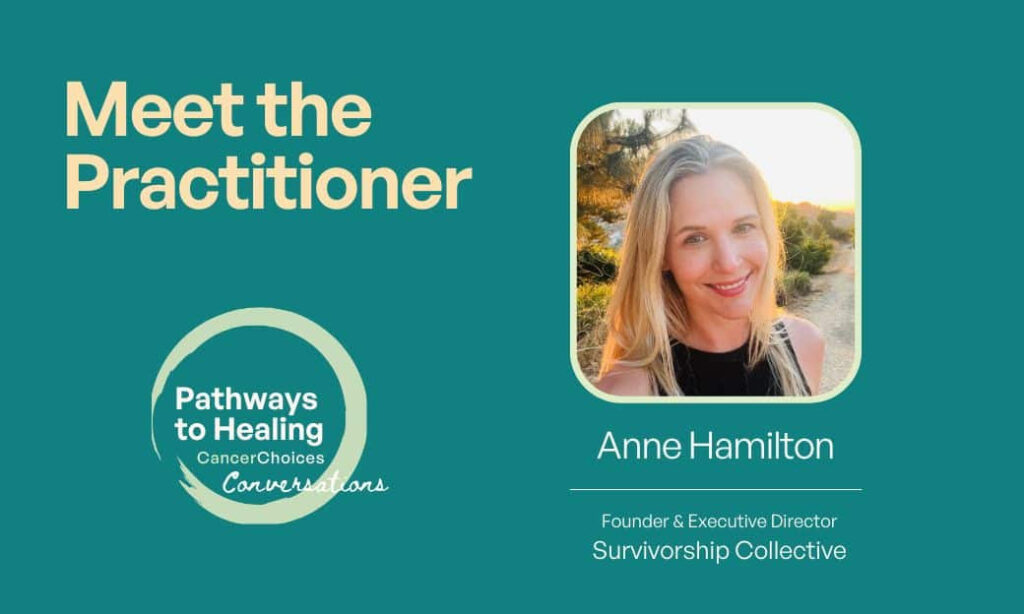
What happens when science, compassion, and personal healing journeys meet?
In our Meet the Practitioner podcast, Anne shares her story of surviving advanced-stage breast cancer and how it led her to create psilocybin-assisted therapy retreats for cancer survivors.
She opens up about the potential of psychedelic experiences to support emotional healing, reduce fear of recurrence, and create space for deep transformation—especially after treatment ends. Whether you are curious about psychedelics or simply want to hear a powerful story of resilience, this episode offers inspiration and insight.
|
Psilocybin + Cancer Care: What the Research Says
Curious about psilocybin’s role in cancer care? Our therapy review breaks down the current evidence, including how psilocybin may support people with cancer by easing anxiety and depression, and existential distress.
|
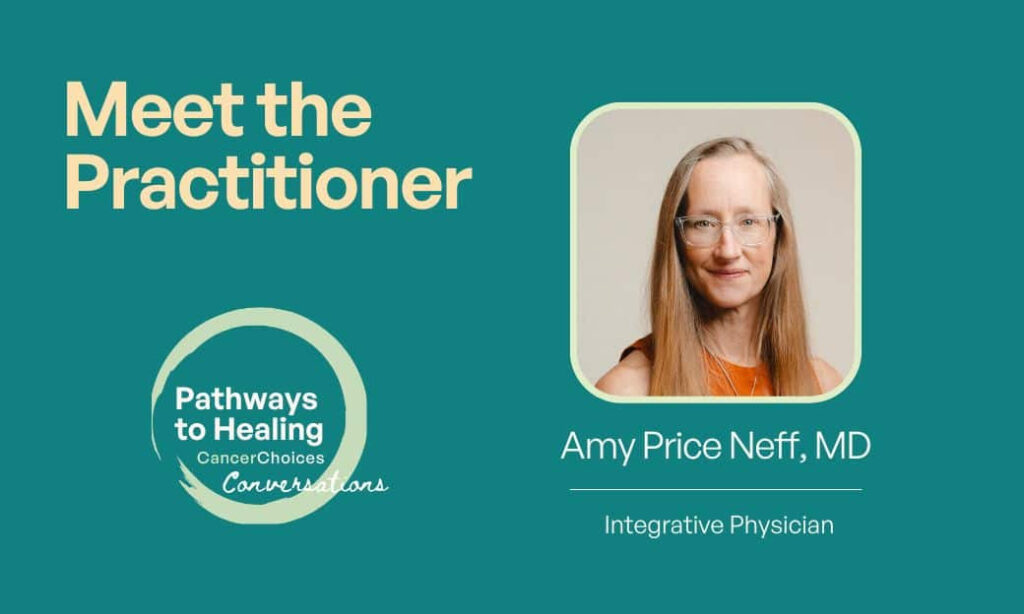 We talk with Dr. Amy Price Neff about the importance of tending to the “terrain” of the body — especially during cancer treatment — and how fasting might play a supportive role. Her approach is thoughtful, empowering, and rooted in meeting each person where they are. Take a moment to explore her insights. You might walk away with a new perspective or tool for your own path.
Read the full Q&A
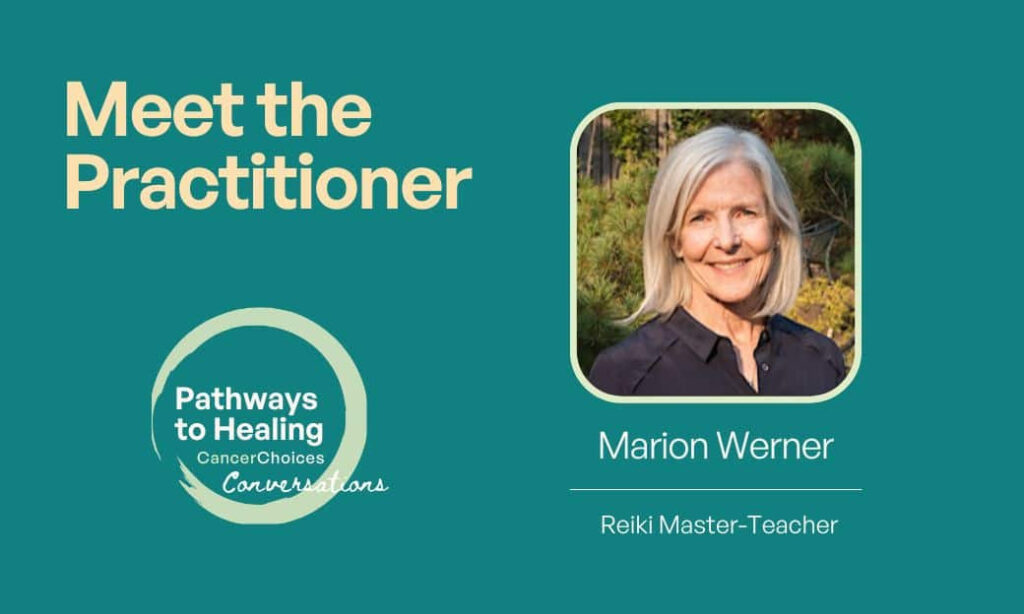 Marion Werner, a Reiki Master who has supported people with cancer for over two decades, shares how Reiki can help reduce stress, ease symptoms, and support healing during cancer treatment.
Whether you are new to energy healing or simply curious, this is a gentle and inspiring conversation you won’t want to miss.
Explore the Conversation
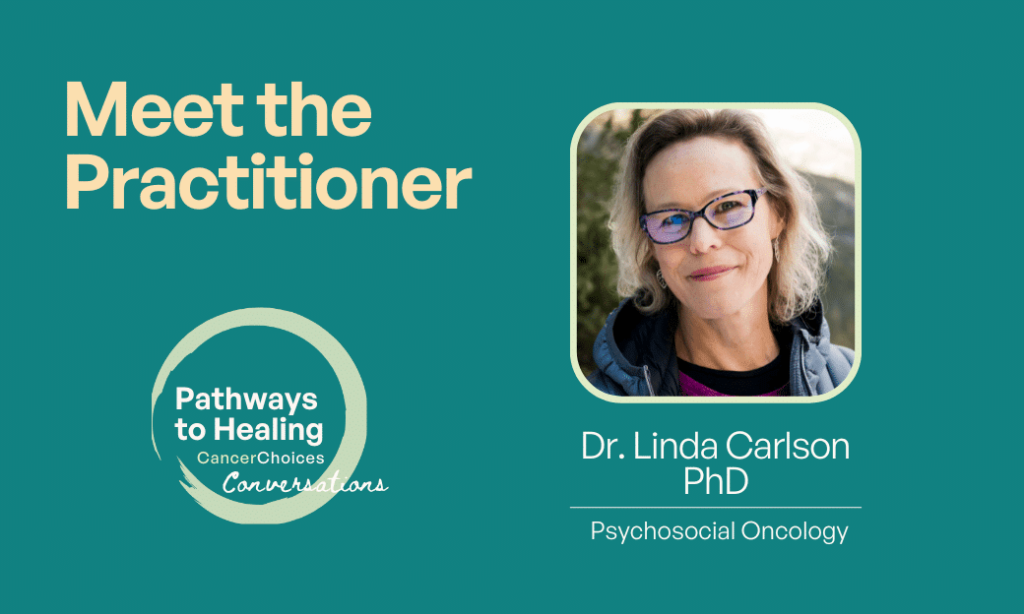
Dr. Carlson, a leader in psychosocial oncology, shares how therapies like mindfulness, yoga, and creative practices can help address the emotional challenges of cancer. Listen now for strategies to manage “scanxiety,” build hope, and create healthy habits to support yourself or a loved one.
Learn More and Listen
Your Guide to Navigating Cancer Treatments
Looking for trustworthy information about cancer treatments? Our Treatment Hub provides evidence-based insights into both conventional and integrative therapies, helping you make informed decisions about your care.
From understanding your options to exploring complementary approaches, this resource is here to support you every step of the way.
Visit the Treatment Hub
Mind-Body Therapies
Reiki is just one of many mind-body approaches that can support healing and well-being. Explore how therapies like meditation, guided imagery, and yoga can help reduce anxiety, manage side effects, and promote resilience.
| Explore Mind-Body Therapies |
 Struggling with sleep during or after cancer treatment? You are not alone — sleep disruption is incredibly common, but that doesn’t mean you have to live with it. Our updated Sleeping Well and Sleep Disruption pages offer simple evidence-based tools to help you get the rest your body and mind need. From small shifts in routine to supportive therapies, explore what might work for you.
Gentle mind-body practices like tai chi or qigong can help calm the nervous system, ease tension, and manage stress.
We have also recently conducted a review of cancer-related research on psilocybin-assisted therapy, for those curious about psychedelics and their potential use in managing cancer-related anxiety.
If you haven’t visited our blog in a while, we have refreshed it, and we will be posting articles more frequently. Is there a topic you would like to see us cover? Drop us a note by replying directly to this email. We would love to hear from you.
Reflecting on what truly matters after a cancer diagnosis is an essential step in the healing journey. Discover thought-provoking questions that can help guide your path forward in our latest blog post: What Matters Now: Reflective Questions for Life After a Cancer Diagnosis.
Explore Reflective Questions
Building a Support System After a Diagnosis
A strong support network can make all the difference in navigating life during and after cancer. Explore ways to invite more love and connection into your life, from strengthening relationships to finding new sources of encouragement. Discover practical steps for building the support you deserve.
Coping with Emotional Challenges Post-Diagnosis
Navigating the emotional impact of cancer can feel overwhelming, but practical tools can help you regain a sense of balance. Learn strategies to manage anxiety, including relaxation techniques, mindfulness practices, and supportive therapies. Take steps toward emotional resilience.
Join Our Monthly Expert Q&A Sessions
Join Dr. Mary Hardy, a leading integrative internist, every 2nd Wednesday at 4 PM Pacific/7 PM Eastern.
In these monthly sessions, Dr. Hardy will answer your questions about managing treatment side effects, enhancing communication with your healthcare team, and adopting healthy lifestyle practices. These supportive discussions focus on integrative therapies and practical strategies to help you live well with cancer.
Reserve your spot today and bring your questions for a personalized, expert-led experience!
Learn More and Register Here
Supporting Your Healing Through Nourishment
Good nutrition is a cornerstone of healing. Our Eating Well page explores how balanced nourishing food choices can support your health and well-being during cancer treatment and beyond. With practical tips and evidence-based insights, this resource empowers you to make informed dietary choices tailored to your needs. Explore the guide and take a step toward eating well for optimal healing.
Explore Eating Well
A Trusted Resource on Integrative Cancer Care
We believe that all people should have access to high quality integrative cancer care, combining the best of conventional cancer care, self-care (or lifestyle practices), and complementary care.
An integrative approach to cancer care offers additional tools beyond conventional therapies to enhance your treatment outcomes, minimize side effects, make your body less hospitable to cancer growth and spread, and reduce the risk of recurrence. And this approach can help you find healing and meaning within the cancer experience.
We are here to help you make the best choices possible in your cancer care and to inspire and empower you throughout every step of your journey.
Our Approach
CancerChoices synthesizes the research on complementary therapies and provides digital handbooks on a wide range of topics, including eating well and managing side effects and symptoms.
Grounded in a balanced approach, we do not recommend or endorse therapies or practitioners. At CancerChoices, we are not promoting anything except informed choice — something we believe every person with cancer deserves to have. In an independent review, our pilot site was the top-rated website for quality and trustworthiness of information on complementary cancer therapies.
Decades of Experience
Our work in cancer and healing is central to our broader mission of healing ourselves and healing the earth. We have conducted over 210 week-long Commonweal Cancer Help Program retreats for people with cancer for the last three decades. Our Healing Circles provide positive social support in small group settings to explore healing.
Introducing Our Podcast: Pathways to Healing
Our podcast will be a space to hear from expert integrative practitioners, healing stories from the community, and discussions on navigating information and research. We hope these conversations will demystify integrative oncology and shine a light on the wonderful people in the space.
Our first series “Meet the Practitioner” will host oncologists, naturopaths, dietitians, and other practitioners in conversation about their work in oncology.
The first episode is a conversation between Michael Lerner, Co-Founder of CancerChoices, and Christine Mineart, Program Director. They discuss the legacy of CancerChoices, resources offered by CancerChoices, the healing power of love, and what the future holds for CancerChoices.
Listen to the first episode below, or on SoundCloud.
Lise Alschuler, ND, FABNO discusses detoxification after cancer treatment.
Many people finishing cancer treatment wonder how to help their body recover from chemotherapy and radiation. They often ask about detoxification — how to clear out toxins and restore balance. In this conversation, an expert in integrative oncology shares insights into what detox really means, how the body processes toxins, and the best ways to support recovery post-treatment.
Lise is a Professor of Clinical Medicine at the University of Arizona where she is the Associate Director of the Fellowship in Integrative Medicine at the Andrew Weil Center for Integrative Medicine. She received her undergraduate degree from Brown University. Dr. Alschuler completed her naturopathic medical training at Bastyr University where she also completed her residency in general naturopathic medicine. She is board certified in naturopathic oncology. She completed an executive Masters of Business in 2023. She is co-author of Definitive Guide to Cancer, now in its 3rd edition, and Definitive Guide to Thriving After Cancer.
1. Do you agree that people need to detox after chemotherapy and radiation?
Yes and no. I think chemotherapy, in some ways, is actually a form of detoxification. It is targeting and facilitating the death of damaged cells — cells that are not functioning properly. Of course, this isn’t a perfect system because healthy cells also get injured in the process. But in a way, chemo is a kind of cellular clean-out.
That being said, the process does generate a lot of residual cell debris and metabolic byproducts that need to be cleared from the system. Supporting detoxification after treatment can help the body eliminate those byproducts and recover more efficiently. However, I don’t believe in detoxing during treatment, and I think post-treatment detox should be done thoughtfully, not as a drastic cleanse.
2. What do you recommend to support detoxification after cancer treatment?
I think about detoxification in three phases.
Phase one happens mostly in the liver, where toxins are processed and made ready for elimination.
Phase two involves conjugation, where the body binds these compounds to amino acids, making them safer to excrete.
And phase three is elimination — through urine, stool, breath, and sweat.
To support these processes, I focus first on nutrition. A plant-based diet full of colors provides essential nutrients, including B vitamins, minerals, and antioxidants, to help the liver function optimally. Protein intake is also crucial because amino acids are necessary for phase two detoxification. I recommend about one gram of protein per kilogram of body weight, ideally from high-quality sources like legumes, quinoa, nuts, seeds, or organic, grass-fed meats. Hydration, fiber, and movement are also key — ensuring people are urinating regularly, having consistent bowel movements, and sweating through gentle exercise or sauna use.
3. Do you think juice cleanses, fasting, or other quick detoxes are a good idea after treatment?
Generally, no. After cancer treatment, people have been through a lot —on a cellular level, on a tissue level, and on a human level. Those extreme detoxes can be dramatic, difficult, and, if not done properly, can actually increase inflammation by mobilizing toxins too quickly. People often feel worse, not better, because they are releasing stored toxins without properly eliminating them.
Instead, I suggest a more sustainable, daily detoxification approach. That means consistently eating well, getting enough protein, staying hydrated, moving your body, and sweating. Over time, this will help the body clear out toxins naturally without the risks of a drastic cleanse. Later on, once someone is well past treatment, there may be a role for practices like water fasting once a quarter or short metabolic detoxes, but these should be done under proper guidance — not because someone saw a detox trend on Instagram.
4. What foods and herbs best support detoxification?
For food, I recommend focusing on plants that specifically support liver detoxification. Beets and beet greens are excellent because they contain key nutrients for methylation and detox. Garlic is another powerful detoxifier, thanks to its sulfur compounds. Dark leafy greens — especially bitter ones like dandelion, kale, and collards — are great for providing minerals that aid detoxification. Cruciferous vegetables like broccoli, cauliflower, and cabbage also help, but they can be harder to digest immediately post-treatment. Broccoli sprouts are a gentler option.
As for herbs, milk thistle is the queen of liver detox. It supports every component of liver function and can even help clear anesthesia post-surgery. Dandelion root encourages bile flow, which is how the liver eliminates waste into the digestive tract. I also like Schisandra, an adaptogen that supports both liver and lung health. Green tea is excellent, too, as it helps pull toxins into the bowels for elimination.
5. How can people detox emotionally and mentally after cancer treatment?
This is such an important piece that often gets overlooked. Cancer and its treatment are transformative and disruptive. People don’t just go back to who they were before — they are different, their life is different. It’s important to acknowledge that.
One way to detox emotionally is to engage in mindfulness or meditation, even just spending quiet time in nature. Strengthening community and being selective about who you spend time with also matters — being around people who support your wellness instead of draining your energy. Many people also experience deep values clarification during and after cancer. They emerge with a stronger sense of purpose, gratitude, and love, and it’s important to make life choices that reflect that transformation.
Final Thoughts
Detoxification after cancer treatment isn’t about extreme cleanses or quick fixes. It is about ongoing daily practices that support the body’s natural ability to process and eliminate toxins. A nutrient-rich diet, good hydration, movement, herbs, and mindfulness all play a role. And just as important as the physical detox is the emotional one — letting go of stress, cultivating gratitude, and choosing a life that truly aligns with what matters most.
Empowering Your Healing with Integrative Breast Cancer Care
Navigating breast cancer treatment can be both complex and overwhelming. At CancerChoices, we aim to empower you and your loved ones with the information needed to make informed decisions about your care. Whether you are seeking strategies to enhance prevention, optimize treatments, or support your overall emotional and physical well-being during treatment or in remission, our guidance provides a solid foundation for healing. Explore our comprehensive support for breast cancer care and take a step toward a more informed cancer experience.
Explore Breast Cancer Support
Managing the Impact of Depression
Feelings of depression often arise when patients and family members are coping with cancer. It is normal to experience sadness and grief as dreams, plans, and the future may seem uncertain. But if these feelings persist or start to interfere with daily life, it is important to take notice. Depression can range from temporary sadness to more serious ongoing challenges. Remember, you have options and support is available. Our updated guidance aims to support you as you navigate this piece of healing.
Learn More About Managing Depression
Reishi Mushroom in Cancer Care
Reishi, also known as lingzhi, is a medicinal mushroom used alongside cancer treatments like chemo and radiotherapy. While it may not directly improve survival, it may enhance your response to treatment, improve quality of life, and reduce side effects. Research suggests it may also help create a body environment less supportive of cancer growth. Explore our updated review for more on the science behind reishi, how it is used in cancer care, and how to access it.
Read More on Reishi Mushroom
Exploring Tai Chi and Qigong
Tai Chi and Qigong are ancient practices that blend gentle movements, breathing, and meditation to enhance balance, flexibility, and overall health. Tai Chi features intricate choreography, while Qigong focuses on cultivating life energy through adaptable movements.
Research suggests these practices may support immune function, reduce depression, fatigue, and stress, and improve quality of life for cancer patients.
Learn more about Tai Chi and Qigong and explore how to integrate these practices into your wellness routine.
Explore More on Tai Chi and Qigong.

News & Resources
New CancerChoices Chatbot Feature
Check out our new chatbot feature on www.cancerchoices.org! Just click on the bubble in the lower right corner of the browser, ask any question, and you will be directed to the right resources on our site for more information.
Learn More ›
My Cancer Navigator
Explore My Cancer Navigator, a free resource offering personalized science-based information about cancer and all types of treatments to help you navigate your diagnosis with reliable and accessible support.
Learn More ›
We warmly welcome you to explore our one-of-a-kind resource that helps you find and understand the full range of cancer care options available to you.
Knowledge is power. Having the power to make informed choices throughout your cancer experience is essential in optimizing your healing. Complementary therapies, such as supplements, mind-body therapies, and diets, can help manage side effects, promote overall wellness, and even improve some treatment outcomes.
We understand that a cancer diagnosis can be complex and overwhelming, often packed with more information than you may be able to fully process. We develop our complementary therapy reviews to provide balanced evidence-based information to help you make the best choices possible for your care or the care of your loved ones.
Our complementary therapy reviews rated highest among 11 sites on quality and trustworthiness of information, according to a study in 2021 involving researchers from the National Cancer Institute. Our research team continuously develops and updates these reviews to earn and keep that trust. We warmly invite you to explore the possibilities within our complementary therapy reviews today.
Explore Therapy Reviews
Join us at CancerChoices.org. Our communities are a vibrant space of inspiration and connection. We invite you to join us and follow along as we share powerful information, resources, and tools to help you thrive throughout your cancer experience.
Sign up for our monthly newsletter to receive the latest news and resources from CancerChoices, and also gain free access to the Commonweal’s Cancer-Fighting Kitchen course.
Your Story Can Inspire Others
Every cancer journey is unique — and sharing yours can offer hope and comfort to others. We have made it easy to share your story through our new online form. Whether you are a patient, caregiver, or in remission, your experience matters. Fill out the form below, and we will help you share your journey to support others on the integrative cancer care path. We would love to hear from you.
| Share Your Story |
ACCEPTS VIRTUAL CLIENTS
CancerChoices
Conventional Care
Self Care
Complementary Care
7 Healing Practices
Reviews of Complementary Therapies
How to Integrate Your Choices
Video Library
Commonweal Cancer Help Program
Healing Circles Global
Healing Circles Bay Area
Healing Circles Houston, Texas
Healing Circles Langley, Washington
Bolinas, California
[email protected]
Cristine Mineart
Leave a Reply