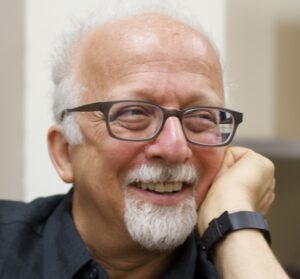

I created Write for Life to serve a vulnerable cancer community with wellness programs using creative writing, role playing, and humor, practical problem-solving through improved organizational skills, and useful strategies for better communication with doctors, nurses, and loved ones.
Since co-authoring Chicken Soup for the Soul’s The Cancer Book: 101 Stories of Courage Support and Love (2009), I have presented speeches and taught workshops in cancer centers throughout the country, including MD Anderson (Houston), Beth Israel Deaconess Medical Center (Boston), Rush U. Cancer Center (Chicago), Winship Cancer Institute at Emory U. (Atlanta), Abramson Cancer Center at U. of Pennsylvania (Philadelphia), Fred Hutchinson Cancer Research Center (Seattle), Duke Cancer Institute (NC), Clearview Cancer Institute (AL), and University. of California Cancer Center (San Francisco), as well as for organizations such as The American Cancer Society, The American Medical Students Association, The Leukemia and Lymphoma Society, Lungevity, and Gilda’s Club.
Twenty years of research indicates that expressive writing –– dealing with one’s deepest thoughts and feelings –– may contribute to improved physical and emotional health. A study in The Oncologist found that patients who participated in a single 20-minute writing session improved their outlook on cancer and their overall life quality.
My book, Write for Life: Communicating Your Way Through Cancer has helped countless people explore self-expression, cope with fear, and manage the challenges that cancer brings.
Each day, millions of people face traumatic change,
when everything familiar feels challenged.
What if they began writing about the experience?
What if they took better control
by communicating more effectively
and expressing their feelings?
What if their struggle becomes a source of inspiration?
Twenty years of research indicate that expressive writing —
dealing with one’s deepest thoughts and feelings —
may contribute to improved physical and emotional health.
Many cancer stories are uplifting
while others are not easy to digest.
But all are authentic and honest
and reflect the staggering reality of the cancer world.
Open your heart.
Give writing a chance.
Personal expression can be a gift ––
for you, and everyone you know.
Welcome to Write for Life.
David Tabatsky’s energy, commitment and expertise
have enabled cancer patients and survivors
to process their experiences in a new and often healing way.
—Hester Hill Schnipper,
Program Manager, Oncology Social Work,
Beth Israel Deaconess Medical Center, Boston, MA
Testimonials for
The Cancer Book:
101 Stories of Courage, Support and Love
Dear David,
I am so grateful for all you are doing
to spread hope and give strength
to those who are bravely fighting cancer.
— Secretary of State Hillary Rodham Clinton
The Cancer Book conveys an impressive spectrum
of cancer stories and poems
written by patients, spouses, children and caregivers.
––Cynthia Nixon, actor and cancer survivor
For those of us who have been in the “cancer club” –
as survivors or family members –
the stories in this book are not just brilliant and moving
and often funny.
They reach down in a variety of ways
and touch us in the deepest place,
where fear and hope reside.
––Jonathan Alter,
Newsweek, The Daily Beast, and MSNBC
After I heard those dreaded words,
“You have cancer,”
I found that the stories of fellow survivors offered much needed hope.
This book serves as a wonderful resource for coping with this disease.
––Doug Ullman, three-time cancer survivor,
President/CEO, Lance Armstrong Foundation
Your cancer workshop in Seattle affected me deeply and lastingly.
I feel it is crucial and much needed in our society.
We are each inspired not only by your work
but by your being,
your obvious kind, genuine, precisely guided intention.
Simply thank you.
With gratitude,
Marty
David,
Thank you for coming all this way to help us
and for teaching me
that the most important thing you do is to listen.
“The most essential thing in writing is to listen …
to yourself and others.”
I will remember that.
Like you said, listening is the hardest thing,
but now that I know what to do to improve,
I can focus on it.
So thank you.
I will remember to ask myself,
“Why is something important?
Look for the details there.”
Thank you for the lovely notes you wrote
to my children in your book.
I’m so glad I was able to meet you.
Warm regards,
Kim
Hi David,
Neal and I loved your advice on our book,
to start the story at a critical decision point.
We chose to start after my second relapse
when I was offered another bone marrow transplant
and decided instead to spend my remaining time enjoying life
and seeking new experiences.
This was last January
and little did I know I would still be able to see
baby Pronghorns at Yellowstone,
nesting Puffins on the Oregon coast in summer,
camp amongst the changing larch trees in the fall,
and then still feel strong enough
to be pulling my snowshoes out of the closet this winter.
Speaking of which,
I still have a few days before chemo
so I better start packing for a quick snow excursion.
Take care,
Melissa
Rx for HOPE: An Integrative Approach to Cancer Care
The INTELLIGENT DIVORCE: Because Your Kids Come First
BEAUTIFUL OLD DOGS: A Loving Tribute to Our Senior Best Friends
DEAR PRESIDENT OBAMA: Letters of Hope from Children Across America
AMERICAN MISFIT a memoir
FILTHY RICH LAWYERS: Books One & Two
When you don’t know what you’re talking about,
it’s hard to know when you’re finished.
New York City, New York
[email protected]
www.tabatsky.com
www.writeforlife.info
917 689 8778
Leave a Reply