Reiki healing is a hands-on energy healing art. It originated in Japan in the early 20th century. The founder of the system, Mikao Usui, had a life-changing experience of light and energy that he recognized as reik i— sacred life force — and that awakened his innate healing abilities. Usui developed a system of practices that enabled others to become effective healers.
In a reiki healing session, the practitioner, trained to access and serve as a channel for the life force (ki or chi), places her or his hands on or just above the client’s body in order to activate healing energy within receptive points on the body. The practitioner’s hands move progressively with a passive touch through 12 positions on the body, remaining in each position for three to five minutes. As a harmonic flow of energy is strengthened, within the client and practitioner, healing occurs through the return of physical, mental, and spiritual balance
Reiki is a natural healing energy that works on every level, not just the physical, and is understood to promote the body’s regenerative self-healing ability.
There are many variations of Reiki but, in essence, Reiki works at bringing us into balance and is believed therefore to reinforce the body’s natural ability to heal itself at all levels, whether physical, mental, emotional or spiritual. It is a tradition that is open to any belief system.
The method of receiving a Reiki treatment from a practitioner is simple. The recipient remains clothed and lies on a couch or sits on a chair and relaxes. The practitioner gently places his or her hands non-intrusively on or near the body. There is no massage or manipulation and the whole person is treated rather than specific symptoms. It is also possible to receive Reiki at a distance.
What Is Reiki: Unlocking the Mysteries of Energy Healing
Source: Supplement Savant
Nick D. , Author at Supplement Savant
February 23, 2024
Have you ever felt like there’s more to well-being than what meets the eye? Reiki could be what you’re looking for — a therapeutic practice that taps into energy levels beyond the physical. Imagine a method that channels the universal life force, aiming to replenish and balance your energy. That’s precisely what Reiki is: a form of therapy that emerged from Japan, built on the belief that by removing blocks in energy flow, it’s possible to alleviate stress and promote healing.
You might wonder how Reiki is performed. Well, it’s all quite serene. Practitioners place their hands on or above the body, intending to redirect energy to where it’s most needed. Whether you’re in the same room or miles away, Reiki can be administered, as it transcends physical boundaries. This holistic approach targets not only your body but also your mind and spirit, proposing that true health encompasses all these aspects of your being.
- Reiki is a Japanese healing practice using universal life force energy.
- It addresses energy blockages to relieve stress and foster healing.
- Practitioners can provide Reiki through hands-on or distant sessions.
- Origins of Reiki
- Understanding Reiki
- The Practice of Reiki
- Reiki Sessions Explained
- Techniques
- Health Benefits of Reiki
- Reiki and Conventional Medicine
- Scientific Evidence and Research
- Learning Reiki
- Risks
- Costs and Accessibility
- Reiki in Different Cultures
- Frequently Asked Questions
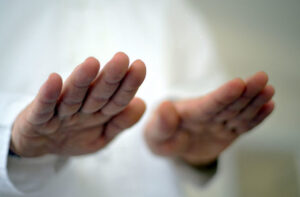
Reiki is the ancient Japanese healing art of removing energetic blocks within the body to re-establish balance and harmony. Reiki can help balance energy so that you don’t have such a constant feeling of uneasiness. Folks who are grieving, feeling depleted, or are experiencing emotional turmoil can all benefit from Reiki as well.
Reiki, which translates to Universal Life Energy, is a subtle modality that is practiced with either light pressure touch or hands hovering above the recipient. There are thousands of energy centers within the body. The practitioner feels for how the overall energy flow is being impacted by small blockages in these centers and then utilizes his or her own life force to open and work with the life force energy of the client in order to break through blockages and areas where the energy is restricted in flow.
Reiki is an energy healing technique that promotes relaxation, reduces stress and anxiety through gentle touch. Reiki practitioners use their hands to deliver energy to your body, improving the flow and balance of your energy to support healing.
Mikao Usui developed reiki in the early 1900s, deriving the term from the Japanese words rei, meaning “universal,” and ki, which refers to the vital life force energy that flows through all living things. Now, reiki is used all over the world, including in hospitals and hospices, to complement other forms of health treatments.
The health benefits of Reiki
Reiki promotes relaxation, stress reduction and symptom relief to improve overall health and well-being. It can:
- Bring on a meditative state.
- Foster tissue and bone healing after injury or surgery.
- Stimulate your body’s immune system.
- Promote natural self-healing.
- Relieve pain and tension.
- Support the well-being of people receiving traditional medical treatments such as chemotherapy, radiation, surgery and kidney dialysis.
Studies show that reiki treatment may create feelings of:
- Peace.
- Relaxation.
- Security.
- Wellness.
What conditions does Reiki treat?
Reiki isn’t specific to any particular type of disease or condition but may help people with:
- Cancer.
- Chronic pain.
- Infertility.
- Digestive problems.
- Parkinson’s disease.
- Psychological distress, including depression and anxiety.
- Stress-related illnesses.
Reiki can also help you prepare for surgery, which may help boost your recovery afterward.
How does Reiki work?
Reiki practitioners act as a conduit between you and the source of the universal life force energy. The energy flows through the practitioner’s hands to you.
What happens during a Reiki session?
Reiki treatments typically last about 50 minutes. During a session, you will lie on a massage table fully clothed, as your Reiki practitioner gently places his or her hands, palms down, on or just above your body in specific energy locations. They use a series of 12 to 15 different hand positions.
Reiki differs from other touch therapies in that there is no pressure, massage, or manipulation involved.
What does Reiki feel like?
One may experience the energy in the form of sensations like heat, tingling or pulsing where the Reiki practitioner has placed their hands. Sometimes, people feel sensations moving throughout the body, while other people do not perceive any change at all.
Most people feel very relaxed and peaceful during reiki treatment, and many fall asleep during the process.
Source: Cleveland Clinic
Leave a Reply