Suzanne Mooney
Medical Reviewer Daniel McFarland, DO, MS
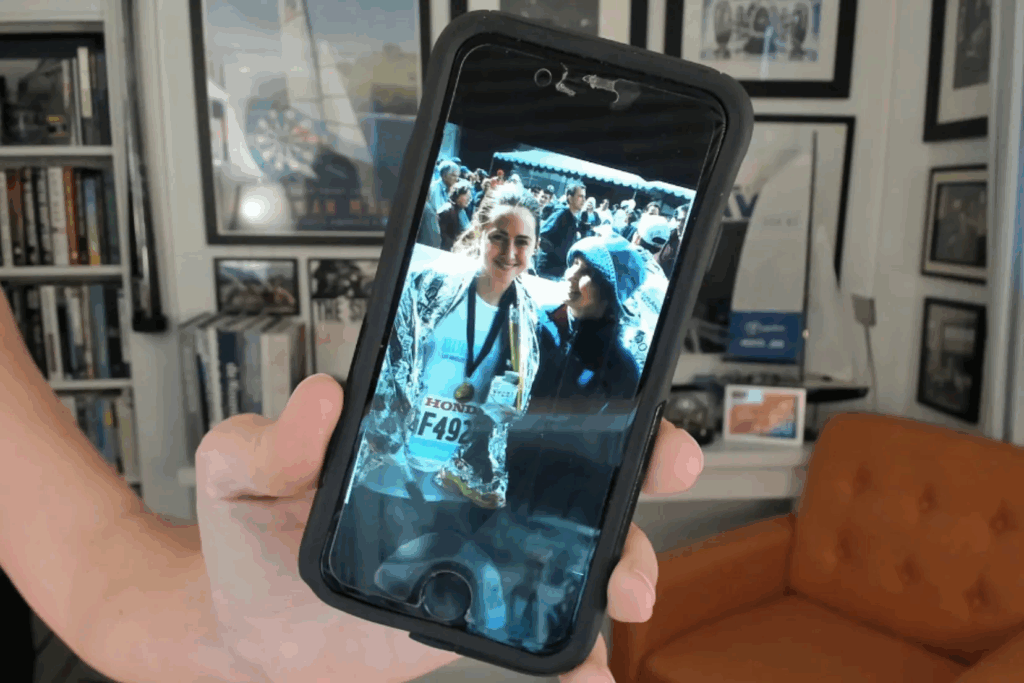 Courtesy of Suzanne Mooney
I was 19 years old when my mom was diagnosed with metastatic breast cancer. I wish someone had told me that she could die from this disease. Maybe it should have been obvious to me, but it wasn’t. At that age, I couldn’t imagine a world where the kind, loving, selfless woman who brought me into it no longer existed.
While experts agree that hope can be crucial after a cancer diagnosis, especially on the more challenging days, facing reality can be equally important. When you understand and accept all your potential outcomes, good and bad, you can make informed decisions about your health. You can also better prepare for the future.
The Art and Science of Hope
At the 2024 American Society of Clinical Oncology (ASCO) Annual Meeting, oncology experts and researchers discussed the art and science of hope after a cancer diagnosis. While some presented research trying to identify where in the brain hope lives and whether sparing the hippocampus from radiation might help preserve hope, others stressed the importance of setting realistic expectations and not providing patients and their families with false hope.
“Hope has different meanings for different patients,” said Ranjana Srivastava, OAM, FRACP, a medical oncologist at Monash Health in Melbourne, Australia. “Every conversation, especially early ones, sets expectations.”
Dr. Srivastava shared the story of a man who felt that he and his wife had been given false hope by her oncologist. It was unintentional – the oncologist was excited about a new immunotherapy clinical trial – but two years after her death, the man still struggled to understand what happened. Not only was he unprepared for and surprised by his wife’s death, but they didn’t get a chance to do some of the things they hoped to do before she died, like having her record videos for their young daughter to watch as she grew up. They believed they had more time.
“It is true that immunotherapy may cure some patients,” Dr. Srivastava said. “But as a veteran oncologist likes to remind me, we are talking to the majority about an outcome for the minority. Oncologists owe a duty of care to our patients to be realistic. Balancing hope and realism deserves daily consideration.”
Improving Patient-Doctor Communication
During her presentation, Dr. Srivastava provided tips and resources to help healthcare professionals navigate challenging conversations. She noted that most patients want an oncologist who is “sensitive, hopeful, and realistic.”
Beth Cavenaugh, RN, BSN, a certified hospice and palliative care nurse in Portland, Oregon, told Patient Power that patients and families should also be proactive. Rather than waiting for your doctor to provide the clarity you need, initiate the conversation and ask for an honest assessment. Cavenaugh was not part of the ASCO session.
“Don’t rely solely on your doctor to lead the conversation,” Cavenaugh advised. “Palliative care doctors and hospice doctors are very good about being clear about a prognosis [at end of life], but an oncologist’s entire job is to find treatment options for you.” It may be difficult for your oncologist to accept that despite having used every tool in their toolkit, the cancer is still progressing.
Cavenaugh offered these tips to increase transparency in patient-doctor communication:
Ask questions.
“If your doctor says you have six months to live, ask, ‘Why are you saying that? What has changed since the last time you saw me?’ If you’ve recently been diagnosed, ask, ‘What’s my prognosis? Why do you think that?’ Getting specific with your questions is important so you get a clear, tangible picture,” Cavenaugh said.
Be gentle with yourself.
If you have trouble initiating difficult conversations, you are not alone. “I see why people don’t ask the questions,” Cavenaugh said. “It can be tough information to hear. But people are often shocked when they land in our hospice home. They say, ‘I had no idea I’d be here so soon.’” Keep trying to ask questions until you find the clarity you need, and forgive yourself on the days when it’s just too much to handle.”
Be forthcoming.
“Sometimes I think we see doctors as miracle workers,” Cavenaugh said. “But they don’t know all the nuances that are happening at home. They don’t know that you’re not driving anymore. They don’t know that you’re struggling to get up off the couch. To get clear answers from your doctor, you have to be clear about what is going on physically and mentally for you as the patient.”
Tell your doctor how you want to receive information.
Some people appreciate a more direct approach, while others prefer a gentler communication style. If your doctor provides difficult information too matter-of-factly, it’s okay to say, “I think that could have been delivered in a softer way.” Or, if it feels like they are avoiding a topic, ask them to be clear, direct, and transparent.
Tell your care team what you are and are not comfortable discussing.
While Cavenaugh recommends having tough conversations so you can prepare for whatever comes next, she respects her patient’s wishes if that’s not something they want to do. Recalling a man she cared for recently, she said, “I brought up that he was declining and asked if he wanted me to call his family, and he said, ‘I don’t like to talk about those things.’ And I said, ‘Okay, I’m so sorry.’ And then I stopped talking about it.”
There is no right or wrong way to handle a cancer diagnosis and the conversations that follow. Ideally, your healthcare provider will find a way to help you balance hope and reality as you navigate your cancer journey. But if they don’t, try to be your own best advocate and ask for the information and clarity you need.
The Evolution of Hope
Hope for a cure is the primary hope for many after a cancer diagnosis. But is that the only thing people hope for? And, if a cure is out of reach, should you give up hope? Dr. Srivastava says no. There is always something to hope for.
“Hope does not only mean hope for prolonged survival or a cure,” Dr. Srivastava said during her ASCO presentation. “In my geriatric oncology clinic, hope means hope for better function, for better days ahead, for a better death, and for attending all the events in life that mean so much to people, such as births, weddings, and graduations.”
At her hospice clinic, Cavenaugh also sees the evolution of hope. “Elisabeth Kubler-Ross, in her studies with the dying, found that all hospice patients need to have some thread of hope in their life and, most likely, hope for a cure or hope not to die,” Cavenaugh said. Kubler-Ross is a Swedish-American psychologist and grief expert who wrote On Death and Dying.
“But I see other ways that people have hope, too,” Cavenaugh continued. “I believe they hope for closure, for reconciliation, for connection with loved ones, and for help dealing with pain, both emotional and physical.”
Depending on where you are in your cancer journey, here are some things you might hope for:
-
A cure
-
A prolonged remission
-
New clinical trials that lead to better treatment options
-
Fewer treatment side effects
-
Quality time with family and friends
-
Spiritual guidance or closure
-
Reconciliation with loved ones
-
The chance to see your children or grandchildren graduate from high school
-
Enough good days to take one more trip to a favorite place
-
A chance to tell someone how much you love them
-
A chance to say, “I’m sorry.”
-
A peaceful and painless transition at the end of life
According to Cavenaugh, one of the primary jobs of a hospice nurse is to present the truth, gently, so patients can make informed decisions about their life and death. While the primary role of your oncologist is to treat you for cancer, they, too, have opportunities to present the truth. But you might need to ask them for it.
When I look back now at photos of my mom, I can see that she was dying. The physical changes were there. But because I couldn’t imagine a world without her, I couldn’t accept death as a reality. I wish one of her healthcare providers would have gently urged me to accept reality and hope for something other than a cure. While I no longer have regrets, I certainly have lessons learned. Embracing hope while facing reality is one of them.
To learn more about hospice and end-of-life care from Cavenaugh, visit bethcavenaugh.com. She is the author of Some Light at the End: Your Bedside Guide for Peaceful Palliative and Hospice Care.
Suzanne Mooney, Health Writer
Suzanne Mooney is a health journalist who writes about cancer and other chronic health conditions. Born and raised in Southern California, she has lived in the Pacific Northwest, Midwest, and South and spends as much time as possible in Italy. When she’s not writing, you can find Suzanne running, hiking, or snuggling old dogs.
Daniel McFarland, DO, MS, Director of Psycho-Oncology
Dr. McFarland is the Director of Psychosocial Oncology at the University of Rochester.
Leave a Reply