EARLIER DETECTION
 Alexandra Fiederlein
What about YOU if you are too young for a mammogram?
I went to my doctor for a lump I felt in my breast and she gave me a response that set off red flags: “Don’t worry about it”.
Reaching My Generation in Crisis
Being a researcher involved in breast density and breast cancer (I am 22 years old. I am a Cancer Researcher and Graduate of Molloy University), I knew that I had to take action.
I was fortunate enough to have my breast ultrasound training with Dr. Robert Bard (cancer imaging specialist, NYC) upcoming in the next week. Dr. Bard showed me how to use the ultrasound to help me find two benign tumors in my breasts, and he reported that I have dense breasts.
Had I not taken action in getting screened at the young age of 22, I would have never known that I should be getting screened via ultrasound every 6 months (because having dense breasts puts me at a higher risk for breast cancer), nor would I have known that I had benign breast tumors.
I belong to the graduate-level age group that continues to witness the increasing number of breast cancer cases in our country.
The women in my generation also happen to be the next group that falls prey to being UNDER-DIAGNOSED. Insurance companies and the medical community have taken little or no action to support or identify the need for women in their 20’s and 30’s to be approved for standardized early detection / breast cancer screening.
Younger women are as much at risk of getting cancer. Reports show an uptick in genetic predisposition for breast cancer, alongside a dangerous attitude of denial. Addressing this calls for widespread education and screening programs in our community as essentials to a life of wellness and prevention. To subscribe to a regular screening routine at the early stage of womanhood raises awareness and prevention for decades to come. Perhaps someday, installing breast cancer screening centers in college campuses may be commonplace and a powerful step toward a national prevention initiative.
Targeting the young working PROFESSIONAL is a major part of our population, where the vast majority tends to put off checkups and screenings because they are just “too busy”. Professional women need to value their health above anything else, and therefore the narrative needs to be amplified in that area. We find this problem to be quite prevalent in urban areas with the constant on-the-go culture. Offering local resources and improved access for personal scanning are just some progress driven programs.
GEN Z is a sensible focus group because these are the women who absolutely must receive routine scanning. We need to advocate for the narrative that age 40 is not the starting age where screening needs to begin – especially since we are now seeing cancer cases in younger ages are growing in numbers. Getting OB/GYN professionals on board is especially important because this is where women are getting their prescriptions.
We need to educate on the benefits of ultrasound. People need to know HOW it works, WHY it works, and why it holds certain benefits over a mammogram. People need to know that it is SAFE and EFFECTIVE, and this technology can save lives. I think it is especially important to emphasize the option of ultrasound for younger women. Many younger women have dense breasts and don’t even know it, putting them at a greater risk (I wouldn’t have known if it weren’t for all of you!). Ultrasound is obviously a safe and effective screening method for young women. It is also not linked with the stigma/fear of getting a mammogram like many women my age hold (X-Ray exposure, etc.).
If the drive for EARLIER DETECTION means proactive awareness, may this lead to turning social concern into clinical action. This includes clinicians joining hands with advocacy groups who recognize the many potential areas for at-risk women in my generation whose lives and safety continue to go unrecognized. And once the count of cancer cases and deaths rise exponentially due to inaction, perhaps then will the medical community find urgency in upgrading the required breast cancer screening age to (finally) include generations like mine. So say we all!
Reference: Global Increase in Breast Cancer Incidence: Risk Factors and Preventive Measures, PMC9038417. (NIH)- https://www.ncbi.nlm.nih.gov/pmc/articles/PMC9038417/
Roberta Kline M.D., ObGyn Physician
Linking Dense Breast with Breast Cancer
We have known for a very long time that there is an increased risk of breast cancer for women who have dense breasts. Until recently, the research has been lagging in terms of what’s the molecular mechanism, why do dense breasts present an increased risk of breast cancer? Without this knowledge, we can’t address the root causes, and are left with a lot of trial and error based on incomplete understanding.
It is very encouraging to know that currently there are 124 clinical trials ongoing looking at dense breasts and the relationship with breast cancer, anywhere from improved diagnostics, to treatment, to prevention, and, what is close to my heart, to understanding the molecular mechanisms – what is happening at the cell level, at the genetic level that is causing different women to have an elevated risk of breast cancer.
One of the striking features that we are learning about dense breasts and what is creating that density is the micro-environment, which means the environment in the supporting tissue surrounding the glands. This includes fibroblasts and collagen. It seems that rather than estrogen being the dominant factor, it is inflammation that is creating the increased density of breast tissue.
Estrogen vs. Inflammation
Even though we associate estrogen with the primary means by which women develop breast cancer, it may be a different process for breast cancers linked to breast density. Some of the research that has just come out in the last few years is showing us that rather than being hormonally driven, we think there is an increase in these inflammatory markers in the tissue that is denser, and this is what can also lead to cancer.
There is clearly a genetic or hereditary component. Having dense breasts is noted to run in families. But while having dense breasts increases a woman’s risk of breast cancer by up to 4-6x, not all of these women actually get cancer. There are other factors that can potentially increase as well as reduce a woman’s risk. This is where genomic research has been a game-changer in identifying these other factors for women with inherited genetic mutations, such as BRCA.
We now know that there are multiple genes in multiple other pathways that can modify a woman’s risk of breast cancer even if she carries a BRCA mutation.
[1]. Researchers have identified smaller changes in genes called SNPs (single nucleotide polymorphisms) that have a much lower individual impact than genetic mutations, but together can be additive. [2] In fact, women with specific patterns of SNPs had their risk of breast cancer significantly reduced. This can help explain why not all women with BRCA mutations get cancer, and provides insight into potential protective biological mechanisms.This is a really powerful paradigm shift, because now it opens the door for truly individualizing each woman’s risk – and potentially being able to change it through diet, lifestyle, or other modalities.
We now are also learning that gene SNPs can also play a role in a woman’s risk for dense breasts and breast cancer. While there’s much research that needs to be done, from my experience, there’s a lot we can do already to potentially intervene and help women with dense breasts. As we wait for more definitive research, we can learn from the nutritional genomics and functional medicine realms.
We have long known that pro-inflammatory conditions are underlying drivers for so many of the chronic diseases we see today, from cancer to heart disease, diabetes, autoimmune disease, depression and more. The flip side of inflammation is oxidative stress. They go hand in hand. Some of the genes that drive these processes are now also being linked to dense breasts and potentially the increased breast cancer risk that women with dense breasts have.
My question is, why can’t we use some of these dietary lifestyle and nutritional supplement interventions that we already know decrease many of these pro-inflammatory pathways? Why can’t we start using those in clinical practice as we wait for research and clinical trials to better refine our knowledge? The fact is, we can! But it takes education, awareness and advocacy to implement these strategies more widely and make a difference now.
Source: Cancer Resource Alliance
Dr. Robert Bard
NATIONAL ADVOCACY HONORS
BARD DIAGNOSTIC RESEARCH
FOR ADVANCEMENTS IN DENSE BREAST IMAGING
Wednesday, September 27, 2023
 Joseph Cappello, Co-Founder of the ‘Are You Dense?” Foundation and ICRA Sr. National Advisor for the Coalition for Women’s Cancer Resources, presented the first 2023 Cancer Research & Innovations award to cancer imaging specialist Dr. Robert Bard (NYC).
With over 200 nominations for the award, Dr. Bard was recognized for his lifetime of achievements in support of non-invasive screening of dense breast tissue. Mr. Cappello delivered the award with fellow executives Donna Johnson (Pres. Of Are You Dense Foundation) and Marion Bradley (Pres. Of Are You Dense Advocacy Foundation from Woodbury CT) to personally honor Dr. Bard at his midtown NYC practice for his life’s work.
Since 2019, Mr. Cappello’s Are You Dense Advocacy Foundation has succeeded in helping to pass national legislation to federally mandate breast screening centers to address the dense breast crisis with the ultrasound complement. Mr Cappello’s commitment to enforce this legislation nationally started with his wife, the late Dr. Nancy M. Cappello, who passed away due to complications with her late stage breast cancer treatment.
Since 1979, Dr. Bard’s radiology practice clinically promoted and published the critical need for using ultrasound breast imaging as a supplemental scan alongside regularly scheduled mammograms. (It is noted that ultrasound scans are able to detect growths and tumors behind dense tissue, what mammograms tend to miss).
At the time, no regulatory standard enforced the need for this 2nd scan, attributing to many undetected breast cancer tumors concealed by dense breast tissue. With the rise of breast cancer cases throughout the country, Dr. Bard’s theories about dense breast imaging has taken root with a growing population of OB-GYNs and Imaging specialists.

In January of 2023, ARE YOU DENSE ADVOCACY continued to pursue the public importance of patients receiving their own personal medical information about the condition of their breast health. This initiative directs the Food and Drug Administration to ensure that mammography reports and summaries received by patients and their providers include appropriate information about breast density specified by the law. This also includes, at a minimum, the effect of breast density in masking the presence of breast cancer on a mammogram and the qualitative assessment of the provider who interpreted the mammogram.
Individuals with dense breast tissue should talk with their providers if they have any questions or concerns about their summary. From a prior report (3/28/2019), the Department of Health and Human Services and the FDA announced changes to the MQSA (Mammography Quality Standards Act) to include reporting of dense breast tissue to the patient, thanks to the Are You Dense Advocacy Foundation.
Decades since the advent of breast scanning technology,
a growing list of real-time innovations
in non-invasive diagnostic imaging
provide new options in the field of early detection.
These technologies directly align with breast density screening
that can easily and affordably
complement a woman’s regular mammography appointment.
By hybridizing the imaging process,
we can safely combine diagnostic modalities
and improve the assessment of disease
and guide therapeutic procedures.
– Dr. Robert Bard
Dr. Bard will go down in medical history
as one of the earliest change-makers in our crusade
to improve women’s early detection programs.
His innovative approach to combine technologies
makes him a true visionary
for the next generation of cancer professionals…
by standing his ground
about the crisis and aiding in (what is now)
a national legislation to save more lives!
– Mr. Cappello

This sparked Dr. Cappello to create the “Are You Dense?” Foundation – an international awareness crusade to better support dense breast diagnostics and initiatives pass legislation to enact laws requiring mammography centers to inform patients about their breast density and the associated cancer risks.
Dr. Cappello passed away on Nov 15, 2018, from secondary myelodysplastic syndrome (MDS), a bone marrow cancer that was a complication of her prior aggressive breast cancer treatments. But she ignited a legacy of fighting for improved policies, imaging technologies and advanced research to better address this health crisis that puts the est. 40% of the female population (women with dense breasts) at risk of a false negative reading.
Video News Release: Innovations in Early Detection
“Are You Dense?” Foundation Co-founder Joe Cappello joins the medical diagnostic community to promote the “Get Checked Now!” campaign. Dr. Robert Bard from the Bard Cancer Center (NYC) supports supplemental imaging including the 3D Doppler Ultrasound scanner to offer dense breast detection. This video presents some of the latest advancements in ultrasound features to detect tumors through dense breast tissue – reportedly a significant challenge with mammograms.

• Women who are diagnosed with breast cancer at a younger age are more likely to have genetic mutations predisposing them to breast and other cancers.
• Younger women who have breast cancer may ignore the warning signs—such as a breast lump or unusual discharge—because they believe they are too young to get breast cancer. This can lead to a delay in diagnosis and poorer outcomes.
• Some healthcare providers may also dismiss breast lumps or other symptoms in young women or adopt a “wait and see” approach.
• Breast cancer poses additional challenges for younger women as it can involve issues concerning sexuality, fertility, and pregnancy after breast cancer treatment. [1]
Women diagnosed with dense breasts should continue to get regular screening mammograms. But there are additional screening tests that can help doctors detect tumors that may not be identified by conventional mammography or DBT. [2] Any woman who has dense breasts may want to consider supplemental screening, usually with breast ultrasound. Studies show that screening with ultrasound, in addition to mammography, improves detection of breast cancers in women with dense breasts. [3]
WHOLE BODY MRI (NO CONTRAST) FOR CANCER SCANNING:
In simplistic terms, having a full-body access comports to the fact that everything is connected in one way or another. Our full-body MRI provides early diagnosis and the largest view of the body, where finding any cancers in the body and/or where they may spread can provide the best chance of treatment success. In suspected cases of early breast malignancy, the exclusion of metastatic disease is clinically vital and emotionally supportive.
“Infographic: 7 Things to Know About Getting a Mammogram”- ACA/American Cancer Society: https://www.cancer.org/cancer/types/breast-cancer/mammogram-tips-infographic.html#:~:text=Women%20between%2040%20and%2044,choose%20to%20continue%20yearly%20mammograms.
1) “Breast Cancer in Young Women”- Cleveland Clinic: https://my.clevelandclinic.org/health/articles/16805-breast-cancer-in-young-women
2) “What additional breast cancer screening tests are available for women who have dense breasts?”- Yale medicine- https://www.yalemedicine.org/conditions/dense-breasts#:~:text=Women%20diagnosed%20with%20dense%20breasts,(whole%2Dbreast%20ultrasound).
3) Columbia Doctors/ “What Are Dense Breasts? A radiologist offers guidance”:-Health Insights: October 14, 2022 https://www.columbiadoctors.org/news/what-are-dense-breasts#:~:text=Any%20woman%20who%20has%20dense,in%20women%20with%20dense%20breasts.

Bexa Equity Alliance
A Movement To Improve Early Detection
Do you know if you have dense breasts? And do you know what it means if you have dense breasts? Did you know that the only way you can know if your breasts are dense is to get a breast screening with a radiologist? Just feeling your breasts and thinking they are dense does not count!
So exactly what is breast density? It is a measurement of the amount of fatty tissue compared to the amount of fibrous tissue in the breast. Breast density is a risk factor for breast cancer and potential barrier for early detection. Dense breasts are considered a risk factor for breast cancer because the dense tissue can make it difficult for doctors to detect tumors on a mammogram, as both dense tissue and cancerous growths appear white on the image, potentially masking small cancers and increasing the chance of missing them; this means women with dense breasts may have a higher risk of developing breast cancer that goes undetected early on.
About 37% of Black women have dense breasts. One large study showed that Black women had a higher absolute area density and volumetric density than White women.
It can be difficult to detect breast cancer in women with more fibrous tissue using traditional mammograms. There are various techniques to overcome the problem including contrast-enhanced mammography, BEXA scans (the scans we do at many of our events, especially for those women who are too young to get a mammogram), and ultrasound exams.
We are on a mission to empower women to know their breast density and take control of their breast cancer screening. Women with high breast density have a 4 to 6 times greater risk for breast cancer compared with women with lower breast density. And Black women have 44.9% higher volumetric breast density than white women. You can’t “feel” your breast density. It requires breast screening. Mammograms are the standard of care for breast screening but they miss more than 50% of cancers in dense breasts. Black women are getting breast cancer well before the recommended age of 40 for a first mammogram. Black women under the age of 35 are twice as likely to get breast cancer than white women and three times more likely to die of breast cancer. Black women ages 20 to 29 have a 53% increased risk of breast cancer compared with white women of the same age group. Black women ages 30 to 39 have a 15% greater risk of breast cancer compared with white women of the same age range.
Don’t let breast cancer go undetected. Know your risks!
Meet our new iconic strategic partner, the Bexa Equity Alliance! We are working together to change the game on breast cancer early detection for young Black women.
This first-of-its-kind joint initiative is capable of providing millions of Black women, even those high risk and below traditional screening recommendations in the United States with life-saving education, and a proprietary and highly effective early detection process that uniquely employs high resolution elastography to produce a map of abnormal breast tissues and masses. A breast examination for women at any age, Bexa is quick, painless, involves no radiation and provides women with an immediate result.
The Doctor Is In
Young Blessties EMPOWERED!
Black women under 35 are being diagnosed with breast cancer at twice the rate of white women and are dying at three times the rate. Black women under 30 die from breast cancer at four times the rate of white women. Not only are they dismissed by doctors and the guidelines make them wait until they are age 40 for mammography, but they also don’t have many resources tailored to their experience.
DRUMROLL PLEASE….
TOUCH BBCA has officially launched a new initiative on our website centered on Young Black Blessties: https://touchbbca.
After many insightful listening sessions, we have learned that the young Black Blesstie community truly has its own needs and we want to honor that unique experience. We talk about fertility, body image, careers, education, motherhood, intimacy, early menopause, to name a few issues facing our young Black Blessties. We have garnered a library of resources to help our young Blessties cope with the crazy reality of breast cancer at a young age.
What is Metastatic Breast Cancer?
Metastatic breast cancer (MBC) is different from early stage breast cancer. Once breast cancer moves from the breast to other organs it is considered stage IV and there is no cure. People who are diagnosed with MBC will remain in treatment for the remainder of their lives.
When breast cancer metastasizes, or travels from the breast to other organs, it most commonly travels to the brain, bone, liver, or lungs, Although some women and men with MBC live many years due to improving treatments, it is an incurable disease.
It is estimated that 168,000 people in the US are living with MBC.
MBC can be treated but not cured.
The median survival rate after a diagnosis of MBC is 3 years.
20-30% of people diagnosed with early stage breast cancer will experience a recurrence of MBC at some point in their lifetime.
Up to 10% of people diagnosed with breast cancer will receive an initial diagnosis of MBC.
Source: Twisted Pink.org
2for2Boobs
2for2 Boobs, Inc. is a 501(c)(3) Breast Cancer Awareness-2-Action and African American Survivorship Advocacy non-profit.
2for2Boobs is an acronym – a call to action – to take 2 minutes 2 check your 2 breasts monthly.
We are dedicated to providing culturally-relevant breast cancer education, information, and resources to increase knowledge about breast health and the importance of knowing your risks, preventive measures, and your family cancer genetic history. We also implement engaging survivorship outreach programs that empower, support, and connect women/men who have had a breast cancer diagnosis by helping them advocate by giving voice to their powerful breast cancer journey.
Our mission is to help to save African American/Black lives from breast cancer by educating, engaging, and empowering women, men, and teens about early detection, know their risks, preventive factors, address barriers and disparities to allow for managing their health pro-actively for better outcomes.
The organization was founded by a 3x breast cancer survivor-to-thriver who was able to detect her cancer early from conducting self-breast exams due to her family genetic breast cancer history.
ABA Breast Cancer Task Force
The Breast Cancer Advocacy Initiative was developed to provide legal advocacy training to lawyers, provide resources for lawyers and consumers dealing with breast cancer, and educating women, attorneys and policymakers on the range of legal issues impacting women’s health. Their website is a collection of resources from the American Bar Association’s Commission on Women in the Profession and features stories of attorneys who have survived breast cancer.
ABCD After Breast Cancer Diagnosis
ABC Global Alliance
The ABC Global Alliance, a non-profit association registered in Portugal, is a multi-stakeholder platform for all those interested in collaborating on common projects related to advanced breast cancer (ABC) around the world. Our people and organizations are committed to developing, promoting and supporting tangible improvements that will ultimately create awareness and actions that will improve and extend the lives of women and men living with advanced breast cancer in all countries, and to fight for a cure. To learn more, visit www.abcglobalalliance.
African American Breast Cancer Alliance (AABCA)
AABCA is dedicated to building and sharing awareness, connections, education, resources and support for African American/black women, men, families and communities affected by breast cancer.
Our Mission
The AABCATM is dedicated to providing hope, awareness, education, emotional and social support to breast cancer survivors, their family members and the community
Vision
Create a network of black women, men, families and communities affected by breast cancer that feels connected, informed, and supported.
Our History
The African American Breast Cancer Alliance (AABCATM) was established in October 1990. Its founding members, Linda Finney, Brenda Anderson, Theresa Davis, Mamie Singleton, Norma Collins, Reona Berry, Elaine Elliott, Bea McFadden, and Carol Fitzgerald created a non-profit with a goal to talk about cancer, create culturally specific, easily understood, breast cancer brochures, and provide an environment where Black women could connect, share and support each other through their journey of survival.
This dynamic group of women understood that black women lacked awareness about breast cancer and taking swift action due to fear that leads to later diagnosis. Historically, Black communities encounter economic, educational, racial and social barriers that affect their health. Finding culturally specific support and resources about breast cancer for black women was difficult. The available medical information did not address the treatment side effects they were experiencing. Cultural disparities and healthcare bias too often contribute to the higher breast cancer mortality rates seen in African American women.
Our Commitment
From its inception, AABCA has been committed to sharing crucial, life-affirming information, and promoting the benefits of early detection and treatment. We provide emotional and social support for breast cancer patients and survivors to help them have better recovery experiences as they cope with having this disease.
“Being there” has always been our motto, and as our outreach efforts continue to grow, we’ve expanded into “Share, Support, Survive.”
What We Do
Since 1990, the African American Breast Cancer Alliance (AABCA) has opened the door for Black women, families, men and communities to discuss cancer, “The Big C”. AABCA developed culturally specific educational and promotional materials to promote breast health awareness, patient support and advocacy.
Because of the high mortality rates of black women dying from breast cancer, the founders of AABCA made its mission to provide education, a forum to discuss barriers, concerns, lack of information, myths, patient navigation, resources, survivorship and treatment related to breast cancer and its impact on the individual, loved ones and our communities.
Working with state and national cancer information organizations, AABCA developed strategies to address the needs of people of color and underserved communities affected by cancer.
While its special focus is on the Black/African American community because of the documented increase in mortality and incident rates, AABCA forms coalitions with other organizations to work on sharing information about breast cancer in communities of color to help create better outcomes and increase survivorship.
Our services are available for you by phone, online, in print and in person. AABCA is here for you, caregivers, co-survivors, family, friends and community. You are not alone. We want to be there for you, so that you can continue to be there for yourself and your loved ones.
Being There to Share, Support, Survive!
Whether you are a patient, survivor, a caregiver, co-survivor, family member or friend, we all need a little help when dealing with cancer and other stressful life changes. We may experience anger, fear, frustration, a sense of helplessness, feel so alone, and yet, feel we can’t open up to others to share our feelings.
A support person or group can provide emotional and social support that helps people cope with the struggle of cancer. However, we may feel shy or skeptical, “I don’t feel comfortable talking in groups.”, “I’m doing fine. I don’t need support.”, “How can I get to a support group when I’m so busy taking care of my loved one?”
AABCA recommends that you reach out and get connected for yourself, your children, family, and friends. Find a support group or therapist that works for you. AABCA offers an online support group to share feelings confidentially, make friends, get help navigating the health care system and learn from others who have walked a similar path. A little help, listening, sharing and understanding goes a long way some time.
ACCEPTS VIRTUAL CLIENTS
P.O. Box 8981
Minneapolis, Minnesota 55408
612-462-6813
[email protected]
African Women’s Cancer Awareness Association (AWCAA)
AWCAA was established in 2004 by a coalition of African immigrant women health professionals in order to address disparities in awareness, prevention and access to healthcare for African immigrant and descent communities that face cancer and other life-threatening illnesses.
The group has grown to encompass healthcare professionals, entrepreneurs and concerned individuals dedicated to eliminating these disparities within the Washington metropolitan area, the continent of Africa, and beyond.
After Breast Cancer Diagnosis (ABCD)
ABCD provides customized, one-to-one emotional support to anyone impacted by a breast cancer diagnosis. While we are founded and grounded in Milwaukee, Wisconsin, our services are available to anyone in the world.
Working as a complement to the medical team, and drawing from a pool of more than 200 professionally-trained Mentors, ABCD pairs people who not only share a similar diagnosis and treatment plan, but who also have common interests, personal traits and family dynamics.
ABCD’s support services are free and delivered at time of diagnosis, during treatment, and into survivorship.
The impact stories on our website highlight people who’ve experienced first-hand how ABCD’s one-to-one emotional support makes all the difference.
Read the latest stories →
Find a Mentor
Get free, one-to-one support from a professionally-trained Mentor/breast cancer survivor who is similar to you. Here’s how it works:
Tell us about your breast cancer diagnosis and treatment, what’s on your mind right now, and what you’re looking for in a Mentor.
Contact us at any time after diagnosis — today, five months or even five years from now.
There are no time limits on our services.
Find answers
No matter what’s on your mind, we can connect you with trusted, reliable resources that can make a big difference during and after treatment.
Some of the topics we can assist with include:
| Learn More About ABCD |
If you or someone you love needs our support,
please email us, fill out this form
or give us a call, M-F | 9 am – 5 pm CT, at (800) 977-4121.
[email protected]
ABCDBreastCancerSupport.org
1 800 977 4121
5775 North Glen Park Road
Suite 201
Milwaukee, Wisconsin 53209
AlignRT Education
Empowers patients and caregivers with the resources, knowledge, and support necessary to help make an educated treatment decision about radiation therapy treatment options.
Alliance for Fertility Preservation
The mission is to increase information, resources, and access to fertility preservation for cancer patients and the healthcare professionals who treat them. To streamline the process of accessing fertility services, we created the online clinic locator and referral tool called Fertility Scout™, which is a free, web-based tool that enables patients and their healthcare providers to find local reproductive facilities.
American Breast Cancer Foundation
Mission
To provide education, access, and financial assistance to aid in the early detection, treatment, and survival of breast cancer for uninsured and underserved individuals, regardless of age, race, or gender.
This is achieved, in part, by the Breast Cancer Assistance Program, Community Partnership Program, Community Advocacy, and Education Program, and the newly-developed Animated Breast Cancer Patient Education Program.
These strategic programs individually and combined provide financial assistance and referrals to local resources and information that is ethnically and linguistically appropriate to clients’ needs. The overarching goal of each program is to reduce disparities to enable the diagnosis and treatment of breast cancer, particularly among disadvantaged populations. These interventions are leading to modification of negative factors and improvement in survival rates.
Minorities and individuals living in a lower socio-economic status are deprived in terms of breast cancer diagnosis, treatment, and survival. ABCF is presently placing priority importance on the prevalent concerns for greater breast cancer awareness, screening, and pro-active detection of early signs and symptoms of breast cancer. These outreach strategies are crucial in achieving equality in breast cancer outcomes. We are committed to educating women to understand the importance of screening and help to facilitate diagnosis and treatment.
Recently, ABCF launched a nationwide educational campaign on breast cancer and metastatic breast cancer to initiate a strategy towards educating our key public: Animated Patient’s Guide to Breast Cancer and Metastatic Disease
ABCF’s mission is consistent with the CDC Healthy People 2020. We assist a national audience to better understand breast cancer and help reduce the incidence of metastatic breast cancer in the United States by promoting breast cancer awareness, effective behavior-changing education, and facilitating life-saving early detection services.
Our Programs
Breast Cancer Assistance Program
ABCF operates a national Breast Cancer Assistance Program for screenings and diagnostic tests for uninsured and underserved individuals regardless of age, race, or gender. ABCF makes these life-saving services available to individuals who would otherwise have no other means of access. In doing so, ABCF strives to reduce barriers, facilitate diagnosis and treatment options, which are critical to achieving equality in breast cancer outcomes.
Apply for assistance by calling our toll-free number 844-219-2223 to speak with our Bilingual Program Specialist. You may also contact us at [email protected].
Please be advised that applications are available on a first-come first-serve basis. There is an approval process in which proof of residency and income qualifications are required. ABCF does not disclose income amounts to the public.
Our Program Director can provide a current and reliable list of reputable resources within the breast health network if ineligible. This list of resources is given to callers when program applications are limited or when the caller needs medical advice.
The American Breast Cancer Foundation’s hours of operation are Monday – Thursday 9 am to 6 pm, and Fridays 9 am to 1:00 pm, EST.
Education and Community Advocacy Program
The Education and Community Advocacy Program are rooted in significant personal relationships with individuals to assist them in gaining access to needed resources, services, and support. The strategic platform provided by these programs serves as a link and referral system to local resources and information that is appropriate to the needs of the client. Individuals can contact our Program Director to provide them with a current and reliable list of reputable resources within the breast health network. Referrals are provided to callers when program funds are limited.
These resources include:
- Living Expenses
- Medical Expenses
- Transportation
- Legal Services
Contact our Bilingual Program Director at [email protected] or 844-219-ABCF (2223) ext. 101
Animated Patient Series
This resource educates and empowers individuals who are facing the challenges that come with breast cancer and raises awareness. You will find expert advice to help you discuss key issues with your health care provider. Easy-to-understand animations with audio narration, video explanations from experts, slide shows, and educational downloads are available to you.
youandbreastcancer.com
We hope this site will be of use to you, but it is not a substitute for the medical advice of your doctor. If you have questions or feedback, please let us know.
Access For All
ABCF makes access to breast health care and services easier for everyone. By eliminating barriers for screenings and increasing the availability of other medical resources, we are helping women and men detect breast cancer at its earliest stage.
https://www.abcf.org/our-programs/community-advocacy-program/ 10440 Little Patuxent Parkway
Suite 300
Columbia, Maryland 21044
410.730.5105
American Cancer Society (ACS)
Provides information and referrals to numerous education, community, and patient support services, including financial assistance and transportation programs. To reach your local ACS, contact the national office at 800 227 2345.
Angela Andrade Foundation
The Foundation is devoted to assisting metastatic breast cancer patients and their families to enjoy Angela’s “silver linings.” The Foundation enables patients to improve their quality of life from a grant for financial assistance.
The Foundation has made over $55,000 in grants to 40 women since July 2015. The grants have ranged from paying outstanding medical bills, mortgage payments, children’s tuition assistance, and financial assistance for vacations and trips.
Asian Breast Care Program
The CPACS Cosmo Health Center in Atlanta, Georgia aims to reduce the burden of breast cancer among uninsured and underinsured Asian American women by preventing cancer, saving lives, and diminishing suffering through culturally and language-appropriate health education and support for clinical preventive services.
- Get a mammogram every starting at the age of 40
- Affordable mammograms and clinical breast exams in partnership with Gwinnett Medical Center and St. Joseph’s Hospital. Please make an appointment at cpacs-cosmo health center 678 694- 379
Follow-up services for all women receiving mammogram services, connecting them with culturally and linguistically competent physician
Avon Foundation for Women
212 244 5368
Through the Avon Breast Health Outreach Program, Avon links medically-underserved women to breast health education and screening services. They also assist in obtaining regular mammograms and clinical breast exams to low-income, underinsured, and other marginalized populations.
Bay Area Cancer Connection
888 222 4401
Provides financial help to breast and ovarian cancer patients under age 40.
Best Face Forward Financial Assistance Program
Provides services and subsidies for eligible individuals for non-medical services that are critical to a woman’s quality of life and body image, and that are only partly covered by insurance companies, if at all.
Best Face Forward 2.0 services include financial subsidies for wigs (cranial hair prosthesis), cold caps (scalp cooling treatment), and tattooing* (three-dimensional micropigmentation of the nipple and areola), tattooing* of the eyebrows (microblading), and yoga (where applicable). Additionally there are complementary and holistic offerings such as meditation and yoga.
*Available in select locations.
To be eligible for financial subsidy you must:
Be diagnosed with breast or ovarian cancer, or be considered high risk for breast or ovarian cancer, with documentation to support this from a health care provider
Meet our financial eligibility guidelines.
Betty J. Borry Breast Cancer Retreats
Providing empowerment, sisterhood, and adventure to women of all ages and stages of breast cancer.
At Betty J. Borry Breast Cancer Retreats, women living after breast cancer move from surviving to thriving. We use challenge-by-choice activities and expressive/healing arts to create a supportive, inclusive, invigorating environment. Participants gain confidence, make new friends, find healing in the outdoors, and discover their own strengths in the recovery process.
Beyond Breast Cancer
As Mayo Clinic medical oncologists who have devoted our clinical practice and research programs to breast cancer, we are honored to serve people at all stages of their breast cancer journeys.
Beyond Breast Cancer covers common topics that we as a team talk to our patients about during and after treatment for breast cancer at Mayo Clinic. We discuss lifestyle recommendations, cancer surveillance, side effects management, living with metastatic breast cancer, clinical trials, integrative therapies, sexual health, fertility and pregnancy, relationships and finances. We have also included a chapter specific to the needs of partners and caregivers of people with breast cancer.
For a limited time, we are offering an exclusive discount on this essential guide. Order your copy today.
BEXA Equity Alliance
The Bexa Equity Alliance believes that every woman deserves access to life-saving care. As Bexa’s nonprofit arm, the BEA advances their shared commitment to Leave No Woman Behind. Together with their growing tribe of Allies, Partners, and supporters, they provide accurate, convenient, painless, and radiation-free Bexa Breast Exams at no cost to women of color and underserved women in communities across the world.
Black Women’s’s Health Imperative
The Black Women’s Health Imperative is developing a national workplace equity and anti-racism initiative to improve the health and wellness of Black women, particularly their experiences in the workplace. There is a need for national standards that are elevated through awareness, accountability, partnership, and evidence-based resources.
We target the most pressing health issues that affect Black women and girls in the U.S. through investments in evidence-based strategies, bold programs and advocacy outreach on health policies.
Breastcancer.org
A nonprofit organization dedicated to providing the most reliable, complete, and up-to-date information about breast cancer. The mission is to help women and their loved ones make sense of the complex medical and personal information about breast health and breast cancer so they can make the best decisions for their lives.
Breast Cancer Action
Breast Cancer Action is a national grassroots organization that advocates for legislative change and medical advances.
Breast Cancer Alliance
The mission of the Breast Cancer Alliance is to improve survival rates and quality of life for those impacted by breast cancer through better prevention, early detection, treatment and cure. In order to promote those goals, they invest in innovative research, breast surgery fellowships, regional education, and dignified support and screening for the underserved.
Breast Cancer Angels
[email protected]
Provides financial assistance (rental, utilities, medical co-pays, transportation, hospice, final expenses, school supplies, clothing, and food) to individuals undergoing treatment for breast cancer. Individuals must reside in certain counties of California.
Breast Cancer Assistance Fund
Provides financial assistance for non-medical costs of getting a patient to treatment and other living expenses that may be incurred.
Breast Cancer Charities of America
Our central focus is on educating, empowering, and encouraging all men and women to become pro-active in preventing breast cancer and, if diagnosed, survive breast cancer.
The Help Now Fund is a financial assistance program for breast cancer patients in active treatment.
Breast Cancer Coalition of Rochester
This initiative is an opportunity to learn a new modality or practice a complimentary healing course to relax, de-stress, and exercise. All Healing Arts programs are offered free to survivors of breast and gynecological cancer.
Weekday Healing Arts Programs include Gentle Yoga, Qi Gong, Mindfulness and Meditation.
Weekend Healing Arts Programs include Gentle Yoga, Fluid Motion (a movement-based class helpful for those managing lymphedema and others), Tai Chi (a martial art using small flowing movements), and Dream Life Design (an empowering creative journaling class).
1048 University Avenue
Rochester New York
585 473 8177
BCCR.org
Breast Cancer Comfort Foundation
[email protected]
Offers comfort baskets to those who recently underwent breast cancer surgery and also provides chemo comfort bags to those being treated with chemotherapy.
Breast Cancer Emergency Fund
Financial assistance for breast cancer patients in San Francisco, San Mateo, and Santa Clara counties in California. Provides emergency financial assistance to low-income individuals battling breast cancer, enabling them to keep up vital medical treatments, avoid utility shut-off, prevent eviction, and maintain stable housing. Many clients are working women without access to employer-paid health insurance or disability coverage. Others find themselves under-insured once treatment begins. We help lighten the fiscal burden and emotional toll of unpaid bills so they can focus on what’s important: personal health and family.
BCEF covers …
Uninsured medical expenses … prescriptions, over-the-counter pharmacy items, medical co-pays, insurance premium/COBRA payments, complementary care, emergency dental care, lymphedema garments, optical services, physical therapy
Essential utilities … electricity/gas services, water, garbage, telephone
Housing expenses … rent, mortgage, property tax, homeowners fees
Assistance with funeral expenses
With the help of our extensive network of community service provider partners and resources, the staff determines and delivers a personalized assistance program that addresses each client’s unique needs and circumstances. We work quickly and assistance is usually available within five days (often within 48 hours).
Breast Cancer Freebies
There are generous people and organizations whose mission it is to make the journey a little easier and take the burden off your wallet with FREE wigs, hats, make-up, house cleaning, transportation and so much more.
Breast Cancer Legal Advocacy Initiative
Created by The American Bar Association’s Commission on Women in the Profession, this public education initiative is designed to protect the legal rights of breast cancer patients. Their site provides the history of the project and information on breast cancer law and advocacy.
Breast Cancer Options
Breast Cancer Options is an independent non-profit 501(C)3 organization and the largest provider of free and unique breast cancer services in the Hudson Valley. In many places, we are the only provider. We are an organization of survivors and their supporters who understand that a woman diagnosed with breast cancer is suddenly faced with some of the most important decisions she will ever make about her own healthcare. In deciding on a plan of action, it is important to understand:
- That all questions are good ones
- Which information is credible and reliable
- What statistics really mean
- Which lifestyle changes can make a difference
- How science-based integrative medicine can be used with conventional treatments.
- That you do not have to face all this, including physician visits, by yourself
Breast Cancer Resource Center in Texas
We are committed to the health and wellness of our community. To do our part, Patient Navigators and staff are working remotely. We are available via text, email or phone, to assist you with any questions you have, or support you may need. We are following the latest advice from medical experts, city, county, and state officials, and our medical partners in the community, and will continue to update you via email, social media, and our website.
A place to ask your questions, explore your options, and connect with a diverse community of survivors, lifers, and thrivers who can relate in a way no one else can. For more than 20 years, the women of BCRC have been dedicated to supporting and improving the lives of those touched by breast cancer.
All assistance programs are available to clients regardless of employment status, ethnicity, sex, age or income, so long as funds are available.
Arranges free screening and diagnostic mammograms, ultrasounds, and biopsies for uninsured or underinsured women living in Travis, Williamson, Hays, Bastrop, or Caldwell counties.
Can provide funding for basic financial needs such as rent, utilities, and prescription drugs. This type of funding tends to fluctuate, but if we can help, we will. And if we can’t help you, we may be able to connect you with another local or national resource that can meet your specific financial needs. Whatever the circumstances, our services are provided free of charge to anyone affected by breast cancer regardless of income, ethnicity, level of education, sexual orientation, or social support.
Through generous community support, all programs and services are offered free of charge to anyone affected by breast cancer regardless of income, ethnicity, education, sexual orientation, or social support. BCRC strives to embody understanding, preserve dignity, and always see the woman as well as the disease. We believe no one should face breast cancer alone.
Our BCRC Navigators are survivors themselves. They understand breast cancer in a way only someone who’s been there can.
We are the only nonprofit in Central Texas focused solely on providing guidance, education, and assistance for women affected by breast cancer.
We can help you no matter who your doctor is or where you receive treatment. We’re available to you in person, over the phone, and through email.
BCRC has opened so many connections for me with others on this journey. They helped me feel confident in the decisions, deal with the constant challenges of the ride, and keep laughing, and yes even dancing.
– Tiffany Shropshire, BCRC client
I didn’t think that I would ever call the BCRC for help. Now, I am not sure what I would do without them.
– Christina Duhon, BCRC client, Stage IV lifer
I have really enjoyed the ABC program. It has allowed me to meet and connect with other women who have been down this path of breast cancer. They understand where I’ve been, where I’m going and the struggles along the way.
The presenters have been excellent. They have given me knowledge and tools to use in order to live my best life after breast cancer.
There really is comfort in being part of a group like this.
ACCEPTS VIRTUAL CLIENTS
8127 Mesa Dr, Ste B206, #131
Austin, TX 78759-8632
512-524-2560
FAX: 512-717-7545
https://bcrc.org
Breast Cancer Screenings
By 2020, the breast cancer diagnosis rate for women under 40 (20-39) has increased by an est. 23 cases per 100,000 women…
According to the American Cancer Society, women ages 45 to 54 and post-menopausal years are required to get mammograms every year. But for the underserved ages (20-40), the risk for breast cancer exists in growing numbers.
BARD DIAGNOSTIC IMAGING addresses the continuing concerns for breast cancer in the New York area by offering advanced early detection screening programs.
The medical community has identified over 5% of all breast cancer cases occur in women over 20 and under the age of 40. The increased risk for breast cancer in dense tissue also exists and is identified by the medical community. Bard Diagnostic Imaging provides the option to receive a preliminary screening with a preliminary and more affordable mammography protocol.
Breast cancer in younger women may be more aggressive and less likely to respond to treatment.
- Women who are diagnosed with breast cancer at a younger age are more likely to have genetic mutations that predisposes them to breast and other cancers.
Younger women who have breast cancer may ignore the warning signs-such as a breast lump or unusual discharge-because they believe they are too young to get breast cancer. This can lead to a delay in diagnosis and poorer outcomes.
Some healthcare providers may also dismiss breast lumps or other symptoms in young women or adopt a “wait and see” approach.
Breast cancer poses additional challenges for younger women as it can involve issues concerning sexuality, fertility, and pregnancy after breast cancer treatment. - This program also includes detects dense breast tissue to determine appropriate proper imaging protocols for accurate diagnostics.
For more information or to schedule a FREE private consultation, call today 212.355.7017 (*) The “Earlier Detection program” is a clinical project comprised of breast cancer screening services, public education and breast cancer awareness initiatives sponsored by the “Are You Dense?” Foundation(501 c3), the AngioFoundation Institute (501c3) and a clinical partnership with the Bard Cancer Center (NYC). This program is also brought to you by other public supporters, public educational institutions and independent sponsors in support of women’s health resources.
Breast Cancer Solutions
Provides financial assistance to breast cancer patients living in Orange, San Diego, Riverside and San Bernardino counties.
Breast Cancer Trials
This organization strives to match as many breast cancer patients to clinical trials as possible. On the website, you can fill out a personal health history to be matched with potential trials, or you can search for clinical trials currently offered.The website also has some information about why clinical trials are important and how to use them to benefit your care.
Breastoration Ink
Provides expert cosmetic 3D nipple and areola tattooing for anyone experiencing a financial hardship who is interested in having this beautiful work to help complete their breast reconstruction.
Clients can be recently diagnosed or might have been living without a nipple or areola for years. Many have had multiple surgeries to get to this point where they are DONE, and just want to return to their ‘whole’ self again. This process has a huge impact on body image and self-esteem.
The process involves a simple application process through email and a follow-up phone call. The tattooing is done in San Francisco through a partnership with Sasha Merritt at Dragonfly Ink, www.dragonflyink.com.
Anyone interested can reach out to Fern Orenstein through the web page inquiry form www.breastorationink.org or by sending a message to Fern Orenstein [email protected].
The organization can serve eligible individuals from anywhere as long as they can travel to San Francisco to receive the tattoo.
Camp Lightheart for Children of Breast Cancer Survivors
This unique program from Breast Cancer Options is a free sleep-away camp for children of breast cancer survivors or children who have lost their mother to the disease. It is one of few services for children in this situation.
Children don’t talk about their fears and parents tell us that often they act out because they are afraid of losing the parent they love and depend on. Camp provides a support group for them and gives them a chance to meet others who have had similar experiences. Our staff is headed by professionals who create a safe place to feel comfortable. The children have fun, hike and participate in sharing circles where many verbalize their fears for the first time.
Please email or call us if you have a child who will benefit from attending Camp Lightheart.
hope@
Office-845-339-4673
Cell- 845-389-2216
Can Do Cancer
[email protected]
Offers dinner, cleaning services, informational, motivational support for breast cancer patients undergoing treatments in the Des Moines and surrounding areas
Cancer Black Care (CBC)
Addresses the cultural and emotional needs of Black people affected by cancer, as well as their families, friends, and caregivers.
CancerCare
Provides limited financial assistance for homecare, childcare, and transportation.
CancerCare’s Linking A.R.M.S.
Provides limited financial assistance for hormonal therapy, oral chemotherapy, pain and anti-nausea medication, lymphedema supplies, and durable medical equipment.
Cancer Resource Foundation
CRF and cancer1source provide financial assistance and free genetic testing for the BRCA1/2 genes, funding to provide post-mastectomy garments and prosthetics, and wigs for well-being.
Center for Pan Asian Community Services
The Center for Pan Asian Community Services, Inc. (CPACS) aims to reduce the burden of breast cancer among uninsured and underinsured Asian-American women by preventing cancer, saving lives and diminishing suffering, through culturally and language-appropriate health education and support for clinical preventive services.
Chick Mission
We are a national community of patients, survivors, parents, doctors, advocates, friends, and loved ones working together to preserve hope, sanity, and choice for women battling cancer.
Our mission is to ensure every young woman newly diagnosed with cancer has the option to preserve fertility through direct financial support, educational programs, and advocacy for legislative change. We refuse to let the emotional, physical, and financial cost of a cancer diagnosis stand between young women and a full life after beating this disease.
Together, we have helped more than 167 women preserve their fertility ahead of lifesaving treatment, collectively saving patients and their families over $1 million in medical expenses, and creating countless opportunities for young women to fulfill their dreams of a future family.
We won’t stop until fertility preservation is covered by health insurance policies in all 50 states!
Chrysalis
Provides Breast Cancer Naviagtion and Support and exists to disrupt outcome disparities within breast cancer, so every patient receives care they deserve.
Cierra Sisters, Inc.
An African-American breast cancer survivor and support organization.
Community Breast Reconstruction Alliance
We are building a future where all breast reconstruction options are available through insurance in all communities and patients benefit from better long-term outcomes.
We empower patients to receive the best options for them through personal choice and informed clinical decision making. We support the work of providers who deliver excellent care to people affected by breast cancer. We acknowledge that healthy economic dynamics are essential to maintaining a healthy reconstructive environment.
The experiences of patients and caregivers enrich our understanding of successful breast reconstruction. As allies, we learn from each other and grow stronger together.
Make no mistake: women who want [DIEP flap] surgery and have money will always have access to it. The only people this coding change affects are women who need access through insurance.
-Dr. Elisabeth Potter, M.D.
Donna Saunders Foundation
The foundation was created to honor a remarkable daughter, sister, aunt, and friend who lost her battle with breast cancer in August 2010. Provides educational awareness to the public about the disease and financial support to breast cancer patients.
E Beauty
Provides all women access to wigs. Runs the only wig exchange program. Women who have completed cancer treatments can donate their used wigs.
EBeauty partners with beauty industry schools and professionals across the U.S. who volunteer their time to professionally clean and style donated wigs. The EBeauty Health Alliance Partnerships work with hospitals and cancer centers around the U.S. to provide on-site access to free wigs.
Ellie Fund
Provides essential support services for breast cancer patients to ease the stresses of everyday life, allowing the focus to be on family, recovery and healing. Providing transportation to medical appointments, light housekeeping, nutritional and grocery assistance, childcare reimbursement, nutritious prepared/delivered meals and integrative therapy services free of charge through our Healing Together Patient and Family Care Program and Metastatic Breast Cancer Support Program help to relieve a patient’s burden while in treatment. The Ellie Fund is honored to provide assistance to breast cancer patients residing in and/or receiving treatment in Massachusetts.
Every Woman Counts
Provides free breast and cervical cancer screening and diagnostic services to California’s underserved populations. EWC is part of the Department of Health Care Services’ Cancer Detection and Treatment Branch.
Facing Our Risk of Cancer Empowered (FORCE)
A nonprofit organization for women who are at high risk of getting breast and ovarian cancer due to their family history and genetic status, and for members of families in which a BRCA mutation may be present. FORCE’s web site can be a helpful resource for anyone who knows she is at risk, who wonders whether she might be at risk, or who cares about the issues and concerns that women-at-risk face.
Feel Your Boobies
A non-profit breast cancer organization that promotes proactive breast health to young women through strategic education and outreach programs. Their campaign and programs focus on education and outreach primarily for women under 40 (pre-mammogram age).
For Three Sisters
A national grassroots organization dedicated to raising awareness and improving the lives of men and women affected by breast cancer. It was founded by retired firefighter Marshall Moneymaker and his wife Shannon after he lost three older sisters to breast cancer.
Committed to supporting breast cancer fighters and survivors in any way possible, so no man or woman fights breast cancer alone.
Marshall’s story and the work of For 3 Sisters has been featured on Good Morning America, the Washington DC affiliates of FOX, ABC, CBS, NBC, The Washington Post, and CNN.
Forge Breast Cancer Survivor Center of Alabama
 Supports, empowers, and improves quality of life for Alabama breast cancer patients, survivors, and co-survivors from the date of diagnosis through the balance of life. Our FREE wrap-around services include professional mental health counseling, support groups (including our Young Breast Cancer Support Group), wellness education, lifestyle classes, rides to appointments, grocery cards, tip sheets, questions to ask doctors, volunteer peer advocates to support and attend medical visits, and help with any other obstacle that stands in the way of healing. We focus on caring for the whole person—mind, body, and spirit — by improving the lives and outcomes of those facing breast cancer and their loved ones.
Forge Breast Cancer Survivor Center supports, empowers, and improves the quality of life for Alabama breast cancer patients, survivors, and co-survivors from the date of diagnosis through the balance of life.
Our FREE, wrap-around services focus on integrative healing practices for the non-medical side of cancer. They include professional mental health counseling, support groups (including our Young Breast Cancer Support Group), wellness education, lifestyle classes such as yoga and meditation, journaling, and creative art, rides to appointments, grocery cards, tip sheets, questions to ask doctors, volunteer peer advocates to support and attend medical visits, and help with any other obstacle that stands in the way of healing.
A cancer diagnosis affects individuals mentally, physically, financially, and emotionally, which is why we focus on integrative care for the whole person — mind, body, and spirit. Our ultimate goal is to improve the lives and outcomes of those facing breast cancer and their loved ones.
Breast Cancer patients and survivors often ask “Where do I start?” Right here. Our goal at Forge is to improve outcomes for breast cancer patients, survivors, and those who love them by helping solve any obstacle that gets in the way of healing. Give us a call. Let us help.
OUR REGION WAS FORGED FROM STEEL.
BREAST CANCER SURVIVORS ARE TOO.
Phone: 205-838-6159
Fax: 205-833-2016
[email protected]
1321 19th Street. S.
Birmingham, Alabama 35205
Foundation for Breast and Prostate Health
Mission is to work with the best minds in breast and prostate cancer to create awareness and educate the public about these two diseases.
Foundation for Women’s Cancer
This is an interactive website dedicated to informing women about gynecologic cancer risk factors, diagnosis, treatment and clinical trials.
Frankly Speaking About Cancer: Spotlight on Breast Reconstruction
The Cancer Support Community, along with other partner organizations, is continually working on new research in various topic areas that are important to people impacted by cancer. This guide streamlines information about all breast reconstruction options and provides useful tools to help women speak openly with their physicians.
Recovery Grants are the heart of our mission. We award stay grants that extend and enhance recovery from any type of breast cancer treatment, including before, during, and after treatment, including reconstruction.
Respite Grants are awarded to StageIV Moms and offer the same benefits. They are designed to give that Mom a chance to rest and have a get-away from cancer.
Hadassah
Check It Out® is a breast cancer awareness program focused on disease prevention and screening for the purpose of early detection and treatment. Hadassah connects Jewish women and its website contains a video that teaches you how to do your own self-examination. Additionally, Hadassah has done extensive research with the BRCA gene mutation, which significantly increases a woman’s risk of developing breast cancer.
Heaps of Hope
Provides financial support for women with cancer in Massachusetts and New Hampshire.
Hope Kit from National Breast Cancer Foundation, Inc.
National Breast Cancer Foundation, Inc.® is recognized as one of the leading breast cancer organizations in the world.
National Breast Cancer Foundation (NBCF) is Helping Women Now® provides early detection, education, and support services to those affected by breast cancer. A recipient of Charity Navigator’s highest 4-star rating for thirteen years, NBCF provides support through their National Mammography Program, Patient Navigation, Beyond The Shock®, HOPE Kits, breast health education and research programs. For more information, please visit NBCF.org.
The HOPE Kit, a tangible expression of hope, is filled with thoughtful items that patients have told us are comforting and encouraging. Click here to request a HOPE Kit for yourself or a loved one currently undergoing breast cancer treatment. To learn more about HOPE Kits, please visit our HOPE Kit webpage for more details.
Hopi Cancer Support Services
Helps women in the Native American Hopi Community gain access to breast and cervical cancer screening and diagnostic services, including: clinical breast exams, mammograms, pap tests and pelvic exams, if screening results are abnormal. Referrals are made for treatment, as necessary. The Hopi Cancer Assistance Fund (HCAF) provides monetary support to assist with gas, meals, and lodging up to $600.00 per year for cancer patients.
Imerman Angels
Mission is to provide comfort and understanding for all cancer fighters, survivors, previvors and caregivers through a personalized, one-on-one connection with someone who has been there.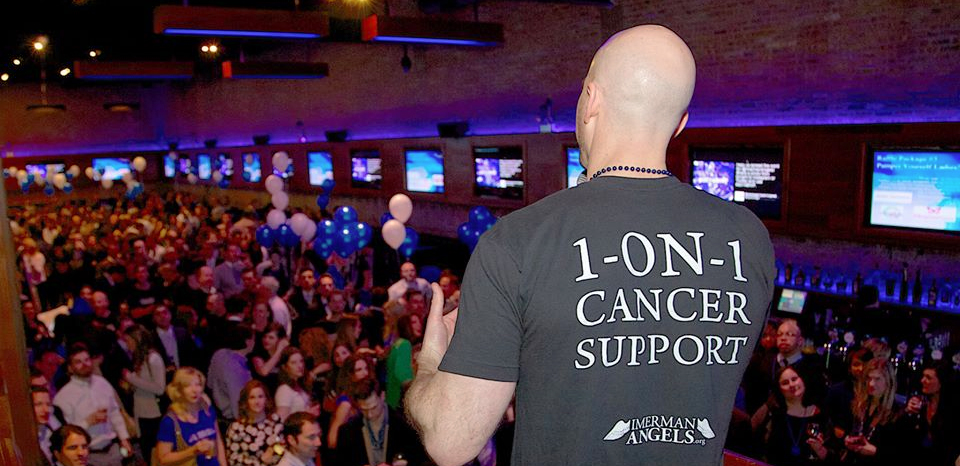
Imerman Angels was created on the belief that no one should have to face cancer alone and without the necessary support. At 26 years old, Jonny Imerman was diagnosed with testicular cancer and began his fight against the disease. Throughout his experience, Jonny was lucky enough to have loving support from his family and friends but had never met anyone his age who was a cancer survivor. He wanted to talk to someone just like him, someone who truly understood, and was intimately familiar with his experience. In short, he was looking for someone who had already faced the same type of cancer. This was the beginning of Jonny’s vision and in 2003, it became a reality when he founded Imerman Angels.
Through our unique matching process, Imerman Angels partners anyone, any age, any gender, anywhere and any cancer type seeking support with someone just like them – a “Mentor Angel”. A Mentor Angel is a cancer survivor or caregiver who most importantly has faced the same type of cancer. These 1-on-1 relationships inspire hope and offer the chance to ask personal questions and receive support from someone who is uniquely familiar with the experience.
Our service is absolutely free and helps anyone touched by any type of cancer, at any cancer stage level, at any age, living anywhere in the world.
These one-on-one relationships give a cancer fighter or caregiver the chance to ask personal questions and get support from someone who has been there before. Mentor Angels can lend support and empathy and help cancer fighters and caregivers navigate the system, determine their options and create their own support systems. Frequently, caregivers experience feelings similar to those of the person facing cancer. Mentor Angels can relate while being sensitive to the experience and situation.
Imerman Angels has been monitoring, responding and preparing as the COVID-19 situation evolves. Our first and foremost priority is the health and safety of our community members … our Mentors, support Seekers, staff, volunteers and more.
If you are in need of support or would like to become a Mentor Angel, please register today and a Cancer Support Specialist will be in touch.
ACCEPTS VIRTUAL CLIENTS
205 W. Randolph, 19th Floor
Chicago Illinois 60606
866-IMERMAN (463-7626)
[email protected]
imermanangels.org
Infinite Strength
We are dedicated to helping underserved/underinsured single mothers affected by breast cancer. Our mission is to provide financial assistance to underserved single mothers in breast cancer treatment. And to provide hope that they do not have to be on this journey alone.
Inheritance of Hope
Young families facing cancer of a parent often feel alone. You are not. There is an entire community that understands what you are going through. And we are here for you.
562 children will lose a parent to terminal illness today. These families often feel isolated — like no one understands. But they don’t have to face it alone. At Inheritance of Hope, we help families lean into terminal illness to discover joy through community, resources, and hope. As a family who was served in 2011, I can say from personal experience that what Inheritance of Hope does is truly life-changing.
We serve young families facing the loss of a parent due to terminal illness with resources and relationships for each family member. If you feel isolated or frustrated by illness, you are not alone – you are loved here!
There are online groups that meet frequently to offer support to every member of the family – children, diagnosed parents, and spouses/partners. Our programs provide hope-filled community of care that “gets it.”
Legacy Retreats
Destination experiences where families create lifelong memories and receive the tools to navigate the challenges of terminal illness. Each member of the family will have intentional time in groups while gaining resources and tools to cope with challenges faced – all while having fun with others who ‘get it’!
ACCEPTS VIRTUAL CLIENTS
1314 Chattahoochee Ave NW, Suite K2
Atlanta, Georgia 30318
(914) 213-8435
[email protected]
https://InheritanceOfHope.org
https://LegacyVideoByRequest.org
https://NationalLegacyDay.org
http://InspireHopeAtHome.org
Provides outreach and information to men diagnosed with breast cancer. Their website contains many personal stories, as well as brochures, resources and updates on the latest research pertaining to male breast cancer.
KAMM Cares Foundation
Offers financial assistance grants to women battling breast cancer and undergoing treatment, covering necessities such as child- care costs and groceries. The application requirements are listed on their website.
Karen Swanson Fund
Fulfills a special need or end-of-life request for those with active metastatic breast or ovarian cancer. The fund is not meant to be used for medical treatment or basic living expenses, but for improving the quality of life during the dying process. Amounts granted are up to $750.
To receive funds from Bay Area Cancer Connections (BCC) Karen Swanson Fund, you must (1) have metastatic breast or ovarian cancer, (2) live in the San Francisco Bay Area, and (3) not be able to afford this extra expense without the support of this fund.
For more information, please call the BCC Helpline at 650 326 6686 or toll-free 888 222 4401.
Keep a Breast Foundation
Mission is to equip young people with breast health education early on in their lives. Through art events, educational programs and fundraising efforts, they seek to increase breast cancer awareness among young people so they are better prepared to make choices and develop habits that will benefit their long-term health and well-being.
Kristy Lasch Miracle Foundation
Provides financial assistance for medical expenses to women under 30 with breast cancer.
Liv & Let
Mission: Dedicated to giving strength and hope to those affected by breast cancer – previvors, survivors and caregivers. By nurturing and providing comprehensive knowledge, the hope is to provide emotional, mental and physical support as well as essential items to thrive through treatment and survivorship.
Vision: To Create A Community and Centralized Information Hub For People Impacted By Cancer
Living Beyond Breast Cancer
A national, non-profit organization dedicated to empowering all women affected by breast cancer to live as long as possible with the best quality of life. LBBC’s programs are available at little or no cost and serve women of all ages and at all stages of diagnosis and recovery.
To fulfill our mission of providing trusted information and a community of support to those impacted by the disease, Living Beyond Breast Cancer offers in-person experiences and on-demand emotional, practical and evidence-based content that is meaningful to those newly diagnosed, in-treatment, post-treatment and living with metastatic disease. Programs include national educational conferences, monthly webinars, quarterly educational newsletters, educational publications, culturally-relevant community-based outreach and educational materials for medically underserved women of color, education, support, and networking opportunities for young women, an interactive web site, a toll-free peer support breast cancer Helpline, and small grants to women with financial needs.
Founded in 1991, LBBC has earned its reputation for delivering responsible, clear; credible and comforting information to women affected by breast cancer through its educational, support and outreach programs.
As more young people are being diagnosed with breast cancer, survivorship issues will continue to be an important part of their care. If you want to deepen your understanding of the unique survivorship needs of your young patients, apply to participate in our Survivorship Series program.
This program provides healthcare providers with the information, tools, and resources they need to host a group education series on key survivorship topics for their young breast cancer patients.
Participation is open to oncology nurse navigators, oncology nurses, and other healthcare providers in the U.S. Training will begin in January 2025.
Apply today
LympheDIVAs
Creates medically correct compression apparel for women with post-breast cancer lymphedema. The founders want to inspire women cancer survivors to feel beautiful, strong and confident.
Malecare
Provides true psychosocial support to over 38,000 men since our founding in 2004. We are a volunteer organization of social workers and psychologists, who found the more widely-used model of a monthly lecture as inadequate for facilitating peer to peer support. Our groups meet weekly or bi-weekly, are 90 minutes in length, and led by a social worker or psychologist who is diagnosed with prostate cancer, or has suffered the loss of their father from prostate cancer. Attendees are limited to men diagnosed with prostate cancer. We run both massive and intimate online groups, including video chats. We focus on underserved communities, such as Gay men (www.lgbtcancer.org) and African-American men. We also facilitate a leading Male Breast Cancer support network.
Male Breast Cancer Global Alliance
Know Your Genes.
Save Your Sons:
The Truth About Male Breast Cancer
and Genetic Risk

Yeah, you read that right. Breast cancer doesn’t care if you have pecs instead of breasts. It’s time to kill the myth: male breast cancer is real, dangerous, and often overlooked. But here’s what most men don’t know: this isn’t just about you—it’s about your kids. Your genes carry the story, and if you don’t know your predisposition, you might be passing down a deadly risk to your sons and daughters.
GENETIC RISK IS A FAMILY MATTER
Let’s cut to it. BRCA1 and BRCA2 mutations can hide in your DNA and silently stack the odds against you. These mutations don’t just increase your chances of breast cancer; they spike your risk for prostate and pancreatic cancers too. And if you carry them, there’s a 50/50 chance your children do too.
This isn’t fear-mongering. It’s fact. Early detection through genetic predisposition testing can save lives—yours and theirs.
That’s where Bard Diagnostics comes in. In partnership with the Male Breast Cancer Global Alliance, we’re making noise about the quiet threat most men don’t even know they carry. We provide cutting-edge genetic testing that helps uncover hidden risks. It’s painless, fast, and it might be the most powerful health decision you ever make.
HERE’S THE HARD TRUTH
Every year, over 2,700 men in the U.S. are diagnosed with breast cancer. Around 530 of them die. That’s more than one man a day. Think it won’t happen to you? Think again. Male breast cancer might be rare compared to women, but when it hits, it often hits harder. Why? Because we don’t talk about it. We ignore the signs. We delay the checkups. And sometimes, we don’t even know it’s a thing until it’s too late.
KNOW THE RISKS
Here are some factors that can crank up your risk:
· Age (most cases hit between 60 and 70)
· A family history of breast cancer
· Radiation exposure
· Hormone therapy or conditions causing high estrogen levels
· Liver disease
· Obesity
· Genetic mutations like BRCA1 and BRCA2
If you have a family history of breast, ovarian, or prostate cancer, this is your cue. Don’t just get checked for you—get checked for them. Your kids deserve to grow up with a dad who made smart choices.
GET AHEAD OF THE GAME WITH GENETIC TESTING
Genetic predisposition testing with Bard Diagnostics reveals if you’re carrying BRCA or other high-risk mutations. It’s simple. It’s confidential. It’s life-saving.
Don’t just wait for symptoms. That weird lump under your nipple, skin dimpling, or fluid leaking from your chest isn’t “nothing” just because you’re a dude. If something feels off, it probably is.
WHAT YOU NEED TO WATCH FOR
Here are the signs that should have you picking up the phone:
· A lump or swelling, usually painless
· Skin irritation or dimpling
· Nipple pain, redness, or inversion
· Discharge from the nipple
· Swollen lymph nodes under the arm
If you notice any of these, don’t brush them off. Don’t “wait and see.” Don’t tough it out. That’s not brave. That’s reckless.
REAL STORIES, REAL MEN
This isn’t just numbers. These are fathers, brothers, sons, and friends. The Male Breast Cancer Global Alliance has created a community of male survivors and advocates who prove that early detection saves lives. Their stories are proof that catching this early makes a huge difference.
THE BOTTOM LINE
Breast cancer doesn’t make you less of a man. Ignoring it might. Real strength is in prevention, in action, and in knowledge. Whether you’ve got a family history or you just want to be sure, getting tested is one of the smartest moves you can make.
So, here it is, plain and simple: check your chest, know your genes, and talk to your doctor. Then get in touch with Bard Diagnostics for testing that could change your life—and maybe your kids’ lives too.
This isn’t just awareness. This is a wake-up call.
Be the guy who got checked. Not the one who wished he had.
For more information about the MALE BREAST CANCER GLOBAL ALLIANCE PREDISPOSITION TESTING PROGRAM, contact us at: www.mbcglobalalliance.org or contact our hotline at: 516.522-0777

DROP THE BIAS is the campaign and battle cry of the Male Breast Cancer Global Alliance—a bold call to end the harmful misconception that breast cancer is a “women-only” disease. This bias in medicine, media, and society creates dangerous blind spots in care, leaving men misdiagnosed, undertreated, or ignored. It limits access to screening, support, and survivor recognition. But bias also lives within—men often avoid seeking help out of fear, stigma, or shame. “DROP THE BIAS” confronts this cultural and clinical oversight head-on, urging the world to recognize that men get breast cancer too. The campaign is not just about awareness—it’s about action. By challenging outdated assumptions, educating providers, empowering survivors, and opening dialogue, the Alliance aims to rewrite the narrative and save lives. “DROP THE BIAS” is a mission, a movement, and a message to all: equity in cancer care starts with truth.

The Male Breast Cancer Global Alliance (MBCGA) is leading the charge in awareness, education, and support for men affected by this disease. This organization has built a worldwide network of survivors, advocates, researchers, and healthcare professionals working to shatter the stigma and silence surrounding male breast cancer. They’ve played a crucial role in pushing for more inclusive research, advancing public health messaging, and ensuring men have access to the resources they need. Through tireless advocacy and collaboration, MBCGA has helped get male breast cancer recognized in global cancer policy and has elevated the voices of countless survivors. Their data-driven campaigns and survivor-led storytelling have reached millions, and their partnership with Bard Diagnostics is all about scaling that impact through accessible genetic testing.
RELATED RESOURCES

Under a dedicated partnership with the Male Breast Cancer Global Alliance, BARDDIAGNOSTICS established key programs including: EARLIER DETECTION, PREDISPOSITION GENE TESTING, FIGHT RECURRENCE, ACTIVE SURVEILLANCE AND THE 2ND OPINION SCAN. For the many MEN who seek a significantly improved lifestyle or an upgrade in personalized healthcare, getting better answers about your state of health is paramount and IT ALL STARTS WITH STATE OF THE ART DIAGNOSTICS. The visionary paradigm that makes up true personalized medical care involves the integration between modalities, a collaboration between specialists and an upgrade in their strategic approach and you’ll find it all at BardDiagnostics.

UNCOVERED – Shedding Light on Male Breast Cancer
The first official newsletter from the Male Breast Cancer Global Alliance, launched in proud partnership with AngioMedical Media and the Integrative Cancer Resource Society. Rooted in the belief that education is power, UNCOVERED delivers essential news, scientific updates, and survivor stories to inform and inspire. Each issue is packed with the latest in male breast cancer research, treatment innovations, and advocacy efforts from around the globe. Whether you’re a patient, caregiver, or medical professional, UNCOVERED is your trusted source for facts and forward-thinking perspectives. Join us in uncovering the truth—and empowering lives through knowledge. (visit our regularly updated Newsletter)

The INTEGRATIVE CANCER RESOURCE SOCIETY is a self-funded (Linkedin Based) independent volunteer group of non-profit foundations/charities, researchers, educators, community leaders and survivors. Under the spirit of collaboration and partnership, we are joined to bring a new level of support to cancer patients, survivors and all those seeking current information about cancer care. We form a unique network of support for one another- while driven to help those who need additional resources, technical updates or empowerment on the road to recovery. ICRS uses the power of the “interweb” to reach a global audience and a network of resources beyond our local borders. We have engaged some of the most impressive minds, perspectives and resources and enjoyed the exchange of vital information that is useful to all. Thanks in part to digital collaboration, these “foreign” connections have always been a part of our cancer crusade, now joining us in what we call “BORDERLESS MEDICINE”.

In great support of a the global movement of NON-INVASIVE medicine, we proudly introduce the INTEGRATIVE HEALTH RESEARCH CENTER by AngioInnovation Research (501c3). This New York city-based diagnostic imaging validation lab is established to clinically identify the efficacy, performance and supportive claims set by non-invasive therapeutics and diagnostic solutions.
Co-founded by Dr. Robert L. Bard, the IHRC offers a non-profit, non-commercialized testing option for health-related innovations who seek an independent and impartial reporting through single-case pilot studies or IRB-Based clinical trials. The IHRC employs credentialed medical professionals and specialists in clinical research whose experience contributes to the unique strategic approach of each test study. (Visit: the AngioInstitute website)

We are proud to introduce our new Self-Exam Card for Men, part of a global, multi-lingual awareness program made possible through the generosity of MBCGA sponsors Daiichi Sankyo, Inc., Lilly, and Pfizer. This new format has easy-to-follow diagrams with how-to instructions on the front, and a list of the warning signs and risk factors for men on the back. It is now available in print and as a downloadable PDF in both English and Spanish. Stay tuned for the next phase in mid-2024 when we will be offering our card in additional languages including French, Hebrew, Italian, German and Portuguese.
The American Cancer Society estimates that in 2023, there will be 2,800 new invasive breast cancer cases diagnosed in men in the United States, and 530 men will die of the disease. For men, the lifetime risk of getting breast cancer is about 1 in 833. Male breast cancer makes up less than 1% of all cases of breast cancer.
Men get breast cancer, too. Breast cancer is most often thought of as a disease that affects women; many people do not realize that men have breast tissue and that they can also develop breast cancer. Although it is more common in older men (between the ages of 60 and 70), it can occur at any age. Although the overall survival rate for men is the same for women when diagnosed at the same stage of the disease, in general, men are diagnosed at more advanced stages when their breast cancer has progressed and is more difficult to treat, and their overall outlook is less optimistic.
Early detection is key. Finding breast cancer early improves the chances that male breast cancer can be treated successfully. Women tend to be aware of this disease and its possible warning signs, but many men do not think that they can get it at all. Many men ignore breast lumps or think they are caused by an infection or something else, and don’t get medical treatment until the lump becomes large enough to be worrisome. And men are often embarrassed when they find a breast lump and worry that if they tell anyone, they might be thought of as somehow less masculine. All of this often delays an early diagnosis and reduces a man’s chances for successful treatment and ultimately, his survival.
Signs, Symptoms & Risk Factors
A family history of breast cancer and other factors can increase a man’s risk of breast cancer.
- A suggested schedule for follow-up exams and tests
- A schedule for other tests you might need in the future, such as early detection (screening) tests for other types of cancer, or tests to look for long-term health effects from your cancer or its treatment
- A list of possible late- or long-term side effects from your treatment, including what to watch for and when you should contact your doctor
- Diet and physical activity suggestions
- Reminders to keep your appointments with your primary care provider (PCP), who will monitor your general health care
- A second breast cancer (this is different than the first cancer coming back)
- Small intestine cancer
- Rectal cancer
- Pancreas cancer
- Prostate cancer
- Basal and squamous cell skin cancer
- Myeloid leukemia
For some second cancers, shared genetic risk factors may play a role. For example, men with mutations in the BRCA2 gene have an increased risk of prostate and pancreas cancer as well as breast cancer. All men with breast cancer meet guidelines for genetic testing and should discuss this with their doctor or see a genetic counselor.
Follow-up care for men after breast cancer treatment
After completing treatment for breast cancer, you should still see your doctor regularly to look for signs the cancer has come back or spread. Experts do not recommend any specific tests to look for second cancers in patients without symptoms. Let your doctor know about any new symptoms or problems, because they could be caused by the cancer coming back or by a new disease or second cancer.Survivors of breast cancer should follow the American Cancer Society guidelines for the early detection of cancer and stay away from tobacco products. Smoking increases the risk of many cancers.To help maintain good health, survivors should also:
- Get to and stay at a healthy weight
- Keep physically active and limit the time you spend sitting or lying down
- Follow a healthy eating pattern that includes plenty of fruits, vegetables, and whole grains, and limits or avoids red and processed meats, sugary drinks, and highly processed foods
- It’s best not to drink alcohol. If you do drink, men should have no more than 2 drinks per day
Getting emotional support
Some amount of feeling depressed, anxious, or worried is normal when breast cancer is a part of your life. Some people are affected more than others. But everyone can benefit from help and support from other people, whether friends and family, religious groups, support groups, professional counselors, or others.
Malecare
We facilitate a leading Male Breast Cancer support network.
Provides true psychosocial support to over 38,000 men since our founding in 2004. We are a volunteer organization of social workers and psychologists, who found the more widely-used model of a monthly lecture as inadequate for facilitating peer to peer support. Our groups meet weekly or bi-weekly, are 90 minutes in length, and led by a social worker or psychologist who is diagnosed with prostate cancer, or has suffered the loss of their father from prostate cancer. Attendees are limited to men diagnosed with prostate cancer. We run both massive and intimate online groups, including video chats. We focus on underserved communities, such as Gay men (www.lgbtcancer.org) and African-American men.
Male Breast Cancer Resource Center
Provides general information on male breast cancer and how diagnosis and treatment differ from breast cancer in women.
Male Breast Cancer Coalition
Since 2014, the Male Breast Cancer Coalition has provided an online space for men with breast cancer to share their stories and read the stories of others. The site includes a list of resources about male breast cancer.
MBCC’s mission is to ensure no man feels alone when he hears the words, “You have breast cancer.”
The Male Breast Cancer Coalition (MBCC), a not-for-profit patient advocacy organization, brings everyone together to educate the world about male breast cancer.
When diagnosed with breast cancer at age 24, Bret promised his surgeon no man would ever feel alone when hearing the words, “You have breast cancer.” After a very close friend’s husband was diagnosed with breast cancer, Cheri began her mission to end the stigma and feelings of abandonment associated with a male breast cancer diagnosis. As a result of a connection made on Facebook, together Bret and Cheri formed The Male Breast Cancer Coalition in 2014.
MBCC shares stories from male breast cancer survivors all over the world. Learn more here and find resources for men and their families navigating through what is usually a women’s only club.
MBCC also honors lives lost in the “In Memoriam” section.
We are on a mission to build awareness through the wisdom and experiences of survivors. We visit high schools and colleges around the country sharing journeys and educating audiences. Our survivors want students to know every individual is his/her own best advocate for their bodies. We participate in events around the world to raise awareness of male breast cancer. We attend conferences, so we can become more knowledgeable and advocate. Until we educate everyone, including the medical community concerning the need for more testing and clinical trials focusing on men with breast cancer, our mission continues to be an uphill battle.
We want people to be informed. Breast cancer does not discriminate and we want everyone to know “Men Have Breasts Too.”
Essentials of Cancer Prevention & Early Detection by: Dr. Jesse Stoff
A presentation by Dr. Jesse A. Stoff, (Immunology Specialist) at the 2019 Male Breast Cancer Coalition Conference. Featuring easy-to-understand fundamentals of Early Detection and Prevention.
https://modernhealing1.
https://malebreastcancercoalition.org
East Hanover, New Jersey
Male Breast Cancer Resource Center
The Male Breast Cancer Resource Center provides general information on male breast cancer and how diagnosis and treatment differ from breast cancer in women.
MBCBrainMets.org
A web resource that offers women with metastatic breast cancer and their families a place to learn about brain metastases from a patient perspective. Their website provides information and resources about this form of the disease, as well as personal stories from women who are currently living with brain metastasis.
Men Against Breast Cancer
The first and only national 501(c)(3) nonprofit organization designed to provide targeted support services that educate and empower men to be effective caregivers when cancer strikes. Since its founding in 1999, MABC has mobilized men across America, including underserved populations, to be active participants in the fight against breast cancer. Its philosophy is to leverage the support of the whole family to help the patient, with special emphasis on the important role of men in caring for the women they love.
Metastatic Breast Cancer Network
A national, independent, non-profit, all volunteer, patient-led advocacy organization dedicated to the unique concerns of the women and men living with metastatic breast cancer. They strive to help those living with stage lV breast cancer be their own best advocate through providing education and information on treatments and coping with the disease.
More than Just Words
Black women with breast cancer are approximately 40% more likely to die compared to white women with breast cancer in the U.S. – and are also more likely to be diagnosed at a later stage with more aggressive disease.
Novartis will enlist multidisciplinary experts in breast cancer and health policy to identify the most pressing issues facing Black women in breast cancer and collaborate to build solutions.
With breast cancer surpassing lung cancer as the world’s most commonly diagnosed cancer and screenings drastically down due to COVID-19, now is the time to act.
More Than Just Words reflects the longstanding Novartis commitment to improving lives of patients with breast cancer.
Mothers Supporting Daughters with Breast Cancer
Unique resource for mothers looking for support and guidance in helping their daughters deal with breast cancer.
My Hope Chest
Provides funding for uninsured women who desire reconstruction. Our goal is to enable these women to return to a normal life with feelings of hope, self-worth, and completeness.
My Sister My Friend Breast Cancer Support
A grassroots nonprofit 501©3 organization. It was formed in 2004 by four breast cancer survivors as the Long Beach affiliate chapter of Sister Network Inc., A National African American Breast Cancer Survivorship Organization. Later, in 2006, it became My Sister My Friend Breast Cancer Support. The organization provides a host of supportive services to women battling breast cancer, their caregivers and families. The organization also provides breast health educational outreach and screening navigation to lay and vulnerable populations.
National Breast and Cervical Cancer Early Detection Program
Provides breast and cervical cancer screening and diagnostic services.
National Breast Cancer Coalition (NBCC)
Our mission is to end breast cancer through the power of action and advocacy.
Founded in 1991, the National Breast Cancer Coalition (NBCC) is a collaboration of activists, survivors, researchers, policy-makers, grassroots groups and national organizations that have come together as disruptive innovators for social change.
From securing billions in funding to expanded health care access, NBCC is dedicated to real progress.
NBCC increases federal funding for breast cancer research through the Department of Defense (DOD) Breast Cancer Research Program (BCRP), monitors how research funds are spent, expands access to quality health care for all and ensures that trained advocates influence all decision making that affects breast cancer. We lead collaborations of scientists and other stakeholders in research strategies to end breast cancer.
Our activism has generated more than 4 billion new dollars for breast cancer research. Our research initiatives and advocacy have helped bring about new models of research.
A grassroots advocacy organization whose mission is to eradicate breast cancer through action and advocacy. Provides access to information about NBCC’s history, goals and accomplishments, how to become a member, their legislative agenda and political campaign, and current programs, including Project LEAD and Clinical Trials Project.
NBCC has been revolutionizing breast cancer since it was formed in 1991 to address the critical need for a coalition of breast cancer organizations to work together and end breast cancer through action and advocacy. This was a revolutionary vision at the time, and NBCC’s track record of success demonstrates the effectiveness of this strategy. Our bold, determined and strategic advocacy has changed the breast cancer landscape, and NBCC continues to shape crucial breast cancer public policy and research.
We use collective power to secure change and end breast cancer.
Our vision and advocacy led to the first-ever system of access to care for thousands of low-income women with breast and cervical cancer. And we have trained thousands of advocates who challenge the status quo and demand more wherever breast cancer decisions are made — from hospital boardrooms to Capitol Hill to research laboratories.
When we work together, every dollar we raise works harder. Every lesson we learn spreads faster. Every breakthrough we make goes further. And every effort brings us closer to our goal of knowing how to end breast cancer.
We have separated ourselves with our mission to end breast cancer through our:
- Determination to make the disease a priority for our government
- Sense of urgency and courage to ask hard questions
- Thoughtfulness as we reject popular thinking
- Integrity to stand up and challenge the status quo
We are forging new paths to meet the biggest challenges in ending breast cancer.
We are determined to end this disease and are committed to overcoming whatever barriers are in the way. So when people say, “This is impossible”—and they will say it—we say, “Bring it on!” We are up to the challenge.
To achieve our mission, NBCC is guided by three primary goals:
- Research: Promote research into the cause of, and optimal preventive and treatment interventions for, breast cancer through increased federal funding, fostering of innovation and collaborative approaches and improved accountability.
- Access: Improve access to quality breast cancer care for all women and men, from appropriate screening policies through diagnosis, treatment and care — particularly for the underserved and uninsured — through legislation and change in systems of delivery of health care.
- Influence: Educate and empower women and men as advocates, increasing the involvement and influence of those living with breast cancer and other breast cancer activists wherever and whenever breast cancer decisions are made.
Meeting our goals will take our greatest efforts and will require a focus on the administration, U.S. Congress, research institutions and consumer advocates on breast cancer.
Ojai Cares
This facilitated peer group is an opportunity to feel connected with others sharing a similar experience. Gain information, advocacy skills, insights, and tools to navigate the outer and inner journey with greater ease, calm, and connection. Open to all anywhere on the continuum from newly diagnosed, in or having completed treatment, and/or living with breast cancer.
Breast Cancer Support Group Meets 4th Wednesday from 6-7 pm
Call Susan Kapadia at 805-646-6433 for more information.
108 S Montgomery St.
Ojai, California
Outcomes4Me
Mission to empower breast cancer patients to take control of their cancer care. Outcomes4Me has created a free app that allows breast cancer patients regardless of race, socioeconomic status, or geographic location to get access to their medical records, understand their treatment options, and find clinical trials based on their diagnosis. The app is filled with free resources ranging from webinars with top oncologists to financial assistance programs. Patients can even track and manage their symptoms in order to share with their doctors in an effort to feel and live a better life.
PAN Foundation
Funds cover metastatic breast cancer. Provides grants of $500 to $10,000 per year to qualified patients for medications for these diseases. Since 2004, PAN has provided more than $186 million in assistance for out-of-pocket expenses to more than 130,000 patients in need.
PinkAid
Mission is to help underserved breast cancer patients survive treatment with support and dignity, to provide screening and financial assistance to those in need, and to empower breast cancer survivors to heal by helping and inspiring others.
Our Pink Purse Fund, launched in 2015, provides emergency financial assistance to individuals in need during breast cancer treatment for non-medical household expenses, such as rent and utility payments.
Pink Daisy Project
Helps patients with meals, gas, groceries. Preference is given to women under 45, single mothers, women who are under-insured, and those most recently in treatment.
Pink Peppermint Cares
Provides programs, services, and resources to women and men affected by a breast cancer diagnosis. Our focus is to educate, empower, and encourage all women to be proactive in their breast health using the power of beauty. We provide free emotional and physical support to meet the needs of the uninsured and under-insured low-income women affected by breast cancer and their caregivers through our free programs.
Planned Parenthood
800 230 7526
Offers breast exams, cervical cancer screenings, mammograms, and other testing and treatments regarding reproductive health care.
Provision Project
Provides financial relief to women in active treatment for breast cancer. Provision Project makes a way for women in active breast cancer treatment to receive tangible help quickly.
Remember Betty
Mission to help minimize the financial burden associated with breast cancer for patients and survivors by providing direct financial support to them so that they can focus on recovery and quality of life.
Right Action for Women (RAW)
Founded by actress and breast cancer survivor Christina Applegate.
RAW offers a financial assistance program administered by Patient Services, Inc. (PSI), to help young women who are at high risk for breast cancer gain access to Magnetic Resonance Imaging (MRI) screening.
Offers financial support to women who are facing the risk of early breast cancer as a result of a genetic predisposition. Assistance is only for those that are undiagnosed or no longer have breast cancer and have been prescribed an MRI based upon a family or personal history of breast cancer, those who have tested positive for a BRCA gene mutation, are genetically susceptibility to malignant neoplasm of breast, or those who were treated with therapeutic radiation for cancer prior to age 30. You are eligible to apply for assistance regardless of insurance status.
Shades of Pink Foundation (SOFF)
Mission is to reduce financial stress for those undergoing breast cancer treatment in Southeast Michigan by providing prompt funding for daily living expenses. Since 2005, SOPF has assisted more than 1,200 individuals and their families in Southeast Michigan as they navigate the high costs of a breast cancer diagnosis.
Founded on the principle that no person should have to forgo life-saving medical treatment due to financial need, the Foundation has distributed over $2.9 million in assistance. From mortgage payments to utility bills, insurance premiums to child care, SOPF has helped ease the financial burden for local breast cancer patients in need. By paying bills directly, we give patients the peace of mind necessary to move forward with their treatment and recovery.
SHARE
A national nonprofit that supports, educates, and empowers women affected by breast, ovarian, or metastatic breast cancer, with a special focus on medically underserved communities. Our mission is to connect these women with the unique support of survivors and peers, creating a community where no one has to face breast or ovarian cancer alone.
SHARE brings these women and their families and friends together with others who have experienced breast or ovarian cancer and provides participants with the opportunity to receive and exchange information, support, strength and hope. Services include hotlines in English and Spanish with capacity in 12 other languages, support groups, wellness programs, educational meetings, and advocacy activities.
Sharsheret
Sharsheret, Hebrew for “chain”, is a national not-for-profit organization supporting young women and their families, of all Jewish backgrounds, facing breast cancer. Our mission is to offer a community of support to women diagnosed with breast cancer or at increased genetic risk, by fostering culturally-relevant individualized connections with networks of peers, health professionals, and related resources.
Sharsheret provides culturally-sensitive support to young Jewish women who are newly diagnosed with breast cancer as well as to those facing the risk of developing breast cancer, and offers related resources for Jewish communities and healthcare organizations.
Sister to Sister
Offers safe and welcoming support to African American/Black women with a support group that meets every other week, cancer education workshops, wellness programs, and community outreach.
African American/Black women are more likely to be diagnosed with cancer at a younger age and later stage. We also tend to have more aggressive forms of the disease.
We need Sister to Sister volunteers! Become a Community Health Advocate with Women’s Cancer Resource Center and help bring vital information about cancer detection and treatment into the communities where we live, work, and worship. Volunteers also provide emotional support to women experiencing cancer.
To join Sister to Sister, please call (510) 809-0212.
Located at the Women’s Cancer Resource Center in Berkeley, California
Sister to Sister International, Inc.
A nonprofit, non-governmental organization that links women, girls, and families of African descent globally to the resources that connect, advance, and strengthen them. We do this through advocacy, education, and the promotion of African culture. Developing healthy lifestyles is a cornerstone of the organization.
Our primary areas of focus include Health and Wellness, Education and Global Affairs. To this end, we sponsor …
Health symposia and campaigns,
Personal and professional development workshops and seminars,
Fundraisers to enable charitable contributions and student scholarships,
Global briefings,
Communications and academic enrichment programs for youth,
Periodic Newsletters and a Newsflash to promote advocacy and information sharing,
Dialogue with legislators on key issues affecting women and families,
Support for UN conferences,
Network with women from all over the world,
Collaborate with partners to advance our causes.
Sisters Network, Inc.
Committed to increasing local and national attention to the devastating impact that breast cancer has in the African American community. They offer the Breast Cancer Assistance Program (BCAP), a financial assistance program for but not limited to medical related lodging, co-pay, office visits and prosthesis.
Sisters Working It Out
Our Mission … To serve as a catalytic force in the elimination of breast cancer disparities in the Chicago area. This is accomplished through programs that educate and empower women of color as well as connect them to quality preventive health services. SWIO provides compassionate care and support to women across the cancer continuum from outreach and screening through survivorship.
Our History … Dr. Monica Peek, an internal medicine physician at the University of Chicago, founded Sisters Working It Out, NFP in 2001 as a call to action to address the alarming breast cancer disparity rates across the city of Chicago. Throughout its 17-year history, SWIO has worked tirelessly to address the many barriers contributing to high breast cancer mortality rates for African-American women, such as lack of health information, mistrust of providers and health systems, and limited access to breast cancer screening (e.g., mammograms, clinical breast exams) and primary care.
Social Security Disability
Provides financial support to qualified applicants to cover all necessities, from daily living expenses to medical bills.
The Social Security Administration (SSA) defines“disability” as a condition that …
Has lasted or is expected to last a minimum of one year, or is terminal
Prevents you from doing the same type of work or any work you are qualified for, before the disabling condition set in
Places physical or mental limitations on your ability to learn a different occupation
Not all cases of breast cancer can be classified as “disabling” by the SSA, although women with more advanced cases can often qualify, sometimes in just a couple of weeks. When/if you do qualify, your benefits are not guaranteed to be indefinite in duration. If your cancer improves in response to treatment, your case will be reviewed and, if you are deemed able to work once again, your benefits be stopped.
What Disability Benefits Are Available?
There are two disability programs available through the SSA. Each program is intended for a different type of applicant.
Social Security Disability Insurance (SSDI): If you have worked and paid Social Security taxes in your recent past, you will probably qualify for SSDI, which pays benefits to disabled workers and their eligible dependents. All SSDI recipients will be eligible for Medicare 24 months after the onset of their disability, which typically means when your breast cancer became severe enough to keep you from working.
Supplemental Security Income (SSI): SSI is a needs-based program aimed at individuals with little to no income or assets. Children, the blind, and the elderly are typical recipients of SSI benefits. In most states, approved applicants also receive Medicaid.
Medically Qualifying for Disability Benefits with Breast Cancer
When you apply for disability, the SSA will evaluate your eligibility by consulting the Blue Book, which is the organization’s official publication of disabling conditions
The disability criteria for breast cancer are referenced in Listing 13.10: Cancer-Breast. When you apply, you must also submit medical documentation that confirms the diagnosis and outlines your treatment history. Your doctor will fill out a residual functional capacity (RFC) form which the SSA will use to evaluate how breast cancer has affected your ability to maintain gainful employment.
The Compassionate Allowances Program
Applicants with certain serious disabilities can receive benefits more quickly via the Compassionate Allowances program. If your breast cancer has spread to distant parts of your body and cannot be operated on or completely removed, you will qualify for expedited processing. Many women who have IBC (inflammatory breast cancer) or metastatic breast cancer will not be evaluated as frequently as those with other forms of breast cancer. This often means that you can keep your benefits for longer than others.
Disability Benefits Review
Once you have been approved for disability benefits, the SSA will periodically review your medical condition to confirm that you continue to have a qualifying disability. If your condition improves to the extent that you are able to work once, the benefits will stop.
For more information about applying for SSA benefits when you are living with breast cancer, visit the Social SecurityAdministration’s website, or make a schedule at your local SSA office, by calling 1-800-772-1213 toll free.
Be sure to update the SSA as you receive treatments after approval. If your treatments do not go as planned or if you have complications, you may be able to remain on Social Security benefits as long as you are still unable to work.
Stand Up 2 Breast Cancer: Navigating Breast Cancer Trials
Unveiling Racial Disparities in Triple Negative Breast Cancer Treatment Outcomes: Insights from a Retrospective Study
A retrospective cohort study revealed variations in pathologic complete response (pCR) and overall survival (OS) among triple-negative breast cancer (TNBC) patients undergoing neoadjuvant chemotherapy, based on race/ethnicity. Black women showed lower odds of achieving pCR, while Hispanic women exhibited higher odds. Although unadjusted OS was significantly higher for those achieving pCR, this effect did not differ by race/ethnicity. However, after adjusting for variables, Hispanic and Asian race/ethnicities were associated with improved OS. The study emphasizes the importance of understanding biologic factors influencing treatment outcomes in TNBC, urging further research for more effective therapies. Notably, both Black and Hispanic women experienced delays in starting therapy compared to white women, suggesting potential biological sensitivities or resistance contributing to treatment response differences. This study underscores the need to explore and address racial disparities in breast cancer treatment outcomes.
https://www.medpagetoday.com/
Surviving Breast Cancer
Empowering those diagnosed with breast cancer and their families from day one and beyond by providing education, community and support
Provides breast cancer education, support, events and webinars at no cost to you. Whether you are looking to gain more knowledge on a particular topic or meet up with other breast cancer survivors, we have something for everyone. Join our support group which meets every Thursday Night. Attend one of our Sunday Metastatic Breast Cancer Series or a webinar featuring experts in the field. Almost all of our webinars are recorded so if you can’t make an event, no problem.
Susan G. Komen for the Cure
A grassroots network of breast cancer survivors and activists working together to save lives, empower people, ensure quality care for all and energize science to find the cures.
The 1 877 GO KOMEN helpline provides free professional support services to anyone with breast health and breast cancer concern. Susan G. Komen for the Cure has funded research grants and community-based outreach projects that focus on breast health education and breast cancer screening and treatment for the medically underserved. Staff can respond to calls in Spanish, some publications are available in Spanish, and a version of their Web site is available in Spanish.
Offers free mammograms, biopsies, ultrasounds, care coordination, education, and financial assistance for breast cancer patients’ most critical needs during treatment. (serving San Diego residents)
858 573 2760
Susan G. Komen Treatment Assistance Program
Financial hardships shouldn’t keep patients from getting the treatments they need, which is why we created the Komen Treatment Assistance Program. We know medical treatments and care can be expensive, but there are additional costs that can prevent an individual from receiving the treatment they need.
Financial assistance for:
Transportation to and from treatment
Food
Child care/elder care
Lymphedema care and supplies
Durable medical equipment
Home and palliative care
Oral pain medication
Anti-nausea medication
Oral chemotherapy/hormone therapy
Breast cancer education
Psychosocial support
Information about local resources
Call the Susan G. Komen® Breast Care Helpline M–F 9AM–10PM ET
1 877 GO KOMEN (465 6636) or email [email protected]
The CARE Project, Inc.
Created by a breast cancer survivor, The CARE Project is a non-profit organization that provides emotional and financial support to male and female breast cancer patients.
Its national MEN 2 Program is dedicated to supporting men with breast cancer by providing financial assistance for everyday expenses such as insurance co-pays, utilities, rent, groceries, fuel, and ride services to and from treatment. Often, men undergoing treatment are not able to work full time and the resulting reduction of income can make simple necessities seem like “luxuries.” The goal of the MEN 2 Program is to offer help to those in need so that the patient can focus on healing. For more information or to apply for a MEN 2 grant, visit our website.
The Center for African American Health
Assists African American men and women diagnosed with breast cancer or other chronic diseases by providing support services during and after treatment. It offers programs on diabetes, cardiovascular disease, breast cancer, prostate cancer and colon cancer, as well as a wellness program for seniors, and health literacy training.
The Chrysalis Initiative
Black women are more likely to face mortality from breast cancer, despite its lower incidence rate compared to White women. In a systemically racist healthcare system, Black women are often dismissed and ignored, and are treated with prejudices that keep them from receiving an equitable standard of care.
For breast cancer, compared with non-Hispanic whites, the adjusted relative risk of death is 71% higher for non-Hispanic Blacks and 14% higher in Hispanics (JAMA Network).
Breast cancer disparities are a multi-layered and complex issue, a blend of multiple contributing factors including personal risk, inherited or genetic risk, social determinants of health, and healthcare delivery barriers. The Chrysalis Curriculum unpacks these complex issues at every level for both patients and providers.
Racial disparities are observed in luminal tumors and most pronounced among Black women of high socioeconomic status. Black women tend to be diagnosed younger and with more aggressive breast cancers than their White counterparts (CDC and NIH). Established in 2019, The Chrysalis Initiative exists to counteract breast cancer disparities and breast health inequities using patient activation, provider education, and barrier intervention to reduce the impact of disparities in breast cancer outcomes.
This needs to change … which is why The Chrysalis Initiative launched BC Navi to close this healthcare gap. This digital resource provides Black women (and other disparate groups) with the tools to recognize and address racism in their cancer care, including 1:1 coaching, accessing resources and a patient community, and viewing a patient-curated provider directory — all with the purpose of erasing the line of inequality in breast cancer care.
The Chrysalis Initiative exists to disrupt outcome disparities within breast cancer so every patient receives the care she deserves. By providing patients with mentoring and resource navigation and equipping Black women (and other disparate groups) with the opportunity and education to assess their breast cancer risk, we are closing the gap one story at a time.
In addition to supporting patients with breast cancer, The Chrysalis Cancer Curriculum Provider Training challenges institutional realities with evidence-based strategies to guide providers as they reshape their paradigms and improve their practices to eradicate treatment disparities. The Chrysalis Initiative applies evidence-based strategies to reshape the individual and institutional knowledge, attitudes, and behaviors that impact health outcomes for Black women (and other disparate groups) with breast cancer.
The Denise Roberts Cancer Foundation (TDRCF)
Dedicated to educating minority women and men about breast health, early detection, prevention and care, with the ultimate goal of enhancing each survivor’s quality of Life. They provide mammograms and refer millions of minority uninsured women under 40.
The Metastatic Breast Cancer Alliance
Aims to improve the lives and outcomes for those living with metastatic breast cancer and their families by increasing awareness and education about the disease. The Alliance works to advocate for progress in research that focuses on extending life, enhancing quality of life and ultimately ending death from the disease.
The Pink Fund
Provides financial support to help meet basic needs, decrease stress levels, and allow breast cancer patients in active treatment to focus on healing while improving survivorship outcomes. Our 90-day grant program allows us to meet their critical expenses for housing, transportation, utilities, and insurance.
To learn more click here.
The Pink Fund is a non-profit breast cancer organization that provides 90-day non-medical cost-of-living expenses to breast cancer patients in active treatment, so they can focus on healing, raising their families, and returning to the workplace.
The Pink Fund provides short-term financial aid during active treatment. While other organizations raise funds for early detection and research, many families facing breast cancer urgently need financial help to pay their basic living expenses.
The Pink Fund will make a direct bill payment for the maintenance of health insurance premiums and non-medical bills such as a house or rent payment, a car or vehicle lease payment, utility payments, car insurance payments, and/or license plate tabs. The Pink Fund provides financial support to help meet basic needs, decrease stress levels, and allow breast cancer patients to focus on healing while improving survivorship outcomes.
While fighting for their lives, women and men in treatment for breast cancer often lose their livelihoods.
– Molly MacDonald, Founder
The Pink Haus
A 501(c)3 nonprofit organization supporting, empowering, and educating communities of color affected by Triple-Negative Breast Cancer (TNBC).
Our mission is to educate communities of color affected by TNBC, to encourage daily prevention by implementing integrative, holistic health and wellness, to provide financial support to women currently in treatment for TNBC, and to empower women to advocate for their health.
We aim to provide emotional and financial support to women currently in active treatment for TNBC.
We aim to educate about survivorship and transitioning from survivor to thriver after treatment.
We aim to educate women about the latest research and data regarding triple-negative breast cancer, so they have informed and proactive conversations with their healthcare providers.
We aim to raise awareness in communities of color through outreach and education regarding staying on top of routine health care, including screenings and check-ups that reduce disease risk, to educate and provide information and resources about integrative, holistic health and wellness before, during, and after diagnosis.
The Rose Center for Breast Health Excellence
It’s All About Saving Lives
From a time long before pink ribbons covered the landscape, Dorothy and Dr. Dixie’s passionate advocacy established The Rose as an acclaimed model of breast health care. From mammograms to biopsies to treatment, The Rose excels in advanced digital imaging, mobile mammography, patient navigation, and medical excellence.
We are an ACR Designated Comprehensive Breast Imaging Center. Our mission is saving lives through quality breast health services, advocacy and access to care for all.
Same day diagnosis, on-site physicians dedicated to breast health care, advanced digital technology — all this reflects The Rose’s emphasis on quality and excellence. The Rose collaborates with the best medical organizations in Texas and reaches women from Matagorda to Shelby Counties.
The Sister Study
A long-term study of women ages 35 to 74 whose sisters had breast cancer. The researchers are studying how shared environment, genes, and experiences affect the chances of getting breast cancer.
Thelma D. Jones Breast Cancer Fund

 The Thelma D. Jones Breast Cancer Fund (TDJBCF) is a unique nonprofit grassroots organization whose mission is to advocate and improve the overall health and wellness for women and men through outreach, education, and support.
We promote early detection strategies for breast health and access to the best biomedical and evidence-based complementary therapies to reduce the incidences and mortality rates of breast cancer. Founded in September 2012 on the 60th Birthday Anniversary of Thelma D. Jones, the TDJBCF is a 501(c)(3) organization.
Established in April 2010 on a support group model at the World Bank Group, the Thelma D. Jones Breast Cancer Support Group is the signature program of the Thelma D. Jones Breast Cancer Fund, providing a warm, welcoming, safe and secure environment for participants to discuss their diagnosis and concerns while receiving hope, inspiration and courage during their journey. As someone who has traveled the journey with an extensive support system, Founder Thelma D. Jones strongly believes that no one should travel their cancer journey alone.
The highly-acclaimed and three-times nationally recognized support group meets regularly at 6:30 p.m. on the third Wednesday of each month in Southwest DC, unless otherwise specified. Approximately 1,000 women, men and young girls have attended the meetings since its inception. Most participants are breast cancer survivors who attend on a regular basis and periodically invite other survivors who become regular members as well.
Our vision is to save lives and embrace and achieve a world community free of breast cancer. We plan to realize this vision with guiding principles of respect, collaboration, quality and patient-centered care, culturally sensitive approaches, and evidence-based strategies.
Guiding Principles
- Respect
- Collaboration
- Quality and Patient-Centered Care
- Culturally Sensitive Approach
- Evidence-Based Strategies
Outreach, Education, Nonclinical Navigation Services and Survivorship Support
Provide trained breast health speakers for events and media opportunities in and around the Washington, DC area.
Conduct breast health classes in a variety of venues with a focus on the historically underserved communities, such as public housing. Southwest DC has the largest concentration of public housing in the city.
Organize panel discussions on breast health, including identifying and recruiting panelists.
Host breast health presentations at workshops, conferences and seminars, including table presentations at health fairs, hospitals, schools, recreation centers, libraries, faith-based institutions, nonprofit organizations, public sector organizations, public housing events and malls.
Conduct special outreach for male breast cancer survivors and men’s health, including dedicating an entire support group meeting each February for this specific purpose.
Conduct outreach in Southwest DC for young girls and women in public housing through street organizing efforts at feeding programs and neighborhood outings, including giving mini talks and discussions or doing one-on-one conversations on prevention, education, complementary therapies, diagnosis, treatment and survivorship. Also serves as a regular speaker and table presenter during the annual Mayor Youth Leadership Health and Fitness Expo and the popular Summer in Lansburgh in Southwest DC which attracts over 1000 participants annually.
Arrange screening appointments, accompany patients to appointments, help patients to apply and receive medical coverage, counsel patients experiencing fear and emotional challenges and refer to appropriate social service organizations, when necessary.
Identify and make referrals for breast cancer survivors for various social service programs, including domestic violence, shelter programs and food service programs.
Provide emotional support, hospital and home visits to breast cancer survivors, including speaking at memorial services and funerals and providing follow-up support to the extent possible
Community Breast Screenings
Organize visits of the George Washington Mammography Mobile Unit to the local Southwest DC Safeway for screening women who have been identified and recruited, primarily from Southwest’s public housing, and provide one-on-one breast health information after screening appointment.
Organize screening appointments to the Capital Breast Care Center, Georgetown Lombardi Comprehensive Cancer Center, Georgetown University.
Financial Assistance
Provide limited financial assistance to breast cancer survivors for utility bills, family bereavement, and transportation costs for medical appointments.
Community Connections
Serve as coordinating nexus in identifying and connecting breast cancer survivors with the medical community for specific focus groups, dialogues, conversations, media interviews, photo and video shootings, other navigation services, and a variety of social settings.
Provide letters of support for grant application, and other related requests, e.g., Department of Health application to the CDC.
Identify, recruit, and recommend breast cancer survivors to serve on committees for cancer research efforts.
Identify, recruit, and recommend breast cancer survivors for potential career opportunities and volunteer/community engagement opportunities.
Provide advice on establishing support groups and speak at and attend other support group meetings.
Provide an array of referrals to other types of survivors (non-breast cancer), caretakers, and organizations that are seeking specific social services assistance.
Identify and refer speakers for healthy living and cancer-related events, including media interviews and photo shoots.
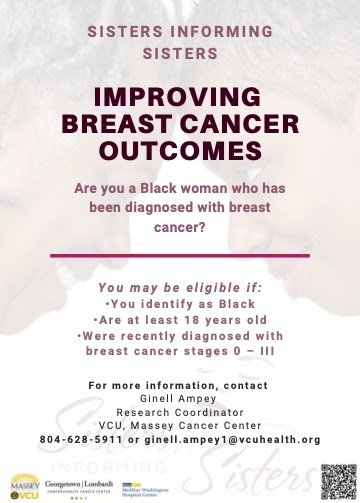
Tigerlily Foundation for Young Breast Cancer Patients, Patient Advocacy and Navigation
A national breast cancer foundation providing education, awareness, advocacy and hands-on support to young women (15-45) – before, during and after breast cancer.
MISSION: To educate, advocate for, empower, and support young women before, during, and after breast cancer.
VISION: We envision a future where a breast cancer diagnosis doesn’t inspire fear but ignites hope for a future.
We inspire young women diagnosed with breast cancer to transform inside and out as they journey through treatment to live their best life going forward.
We empower young women to be advocates for change.
Breast cancer will no longer be a terminal disease but rather a chronic disease that will someday be cured.
We envision a future where breast cancer diagnosis doesn’t inspire fear, but ignites hope for a future because:
- We inspire young women diagnosed with breast cancer to transform inside and out as they journey through treatment to live their best life going forward.
- We empower young women to be advocates for change
- Breast cancer will no longer be a terminal disease, but become a chronic disease that will someday be cured.
- We will end disparities – of age, stage and color, in our lifetime.
Through our programs, we seek to educate and empower women of all backgrounds, including those at heightened risk, those facing health disparities, and those with less access to care. We strive to improve the quality of life and end isolation among breast cancer survivors. Most importantly, we encourage and endeavor to empower fearless females in every stage of their journey, and to show them that they are not or alone, but are beautiful, strong like the tiger and the lily, and that they can be transformed – during and after breast cancer.
EDUCATION
Being diagnosed with breast cancer opens you up to a whole new world of jargon, experiences, and feelings. What gives you power as you begin your journey is understanding breast cancer and knowing your facts, so that you become an educated partner in your own treatment and recovery. Our goal is to offer you information that will help you better understand breast cancer, so that you are empowered and knowledgeable.
ADVOCACY
Although there is global awareness of breast cancer, people are not always aware that younger women can and do get breast cancer. There is a need for change in terms of ensuring better representation of issues facing younger women’s health in the community. Tigerlily Foundation works to advocate for that change.
EMPOWERMENT
At Tigerlily Foundation, our focus is on reminding of you how beautiful and strong you are, throughout your breast cancer journey. Our hope is that by the time treatment is over, you will not only have new life, but be transformed into a “New You.” Through our Fearless Female Program we can help you get there.
SUPPORT
Being a breast cancer survivor is not just a name we attribute to those who have made it through this journey. It is a way of life. Being a survivor means that you are part of a sisterhood, and it means that as strong as you are, you’ll need help along the way. Tigerily’s support programs offer everything from peer support, hope bags, meals and financial assistance, to a way to connect with other young survivors in real time. We are here to help you through this journey. Just reach out your hand and someone will be here to hold it, and guide you along the way.
Through our programs, we seek to educate and empower women of all backgrounds including those at heightened risk, those facing health disparities, and those with less access to care. We strive to improve the quality of life and end isolation among breast cancer survivors. Most importantly, we encourage and endeavor to empower fearless females in every stage of their journey and to show them that they are not or alone, but that they are beautiful, strong like the tiger and the lily, and that they can be transformed … during and after breast cancer.
We are here to educate, support, empower and advocate for you.
Our outreach is focused on the breast cancer community as a whole. This community consists of family, friends, health advocates, physicians, researchers and more. We reach diverse communities, ethnic groups, and those who are underserved. From living rooms to classrooms, from board rooms to Capitol Hill, we are there, making a difference.
Learn more about our programs in the categories below:
EDUCATION | EMPOWERMENT | ADVOCACY | SUPPORT
To Celebrate Life for Breast Cancer Survivors
With the generous support of our sponsors, partners and volunteers, To Celebrate Life, implements the Foundation’s vision that no one in the nine-county San Francisco Bay Area should face breast cancer alone. Since 1996, To Celebrate Life has granted over $4.83 million to fund emergency direct services and financial assistance for breast cancer patients.
TOUCH, The Black Breast Cancer Alliance
 Our vision: To save more black women.
Our vision: To humanize the black woman and her experience with breast cancer.
We NEVER want to see a patient without basic needs. When possible, we provide financial resources to assist patients with basic needs. Please call for more information (916 307 2419).
Mission: Touch drives the collaborative efforts of patients, survivors, advocates, advocacy organizations, health care professionals, researchers, and pharmaceutical companies to work collectively and with accountability towards the common goal of eradicating Black Breast Cancer.
In our committed efforts to advance the science for Black Breast Cancer towards reducing the devastating mortality rate for Black Women, we are ecstatic to launch TOUCH Care.
TOUCH Care is the first ever breast cancer advocacy-led program to provide a nurse navigator service to support Black breast cancer patients in clinical trials. Our preemptive TOUCH Care program includes supporting our clinical trial partners with the development of culturally-agile patient recruiting materials, training trial staff to effectively engage and support Black Breasties, and providing Breastie-led nurse navigation to support patients throughout trials.
Led by TOUCH’s co-founder Valarie Worthy, MSN, RN—a 20+ year breast cancer survivor/thriver and Patient Navigator Manager at Duke Cancer Center—TOUCH Care will address both the logistical and the emotional barriers to clinical trial participation by Black women in real time. The TOUCH Care team works with pharmaceutical partners, researchers, and investigators to curate patient-centric trial experiences. The TOUCH Care program seeks to provide culturally-informed support to Black women diagnosed with breast cancer through the clinical trial interest, screening, enrollment, and treatment process with the ultimate goal of increasing Black women’s participation and retention in breast cancer clinical trials.
The facts about young women and breast cancer are staggering!
Currently, breast cancer is the leading cause of cancer death in women aged 20 to 49 in the U.S. Women under 40 are nearly 40% more likely to die from their breast cancer than women over 40.
Black women under 35 get breast cancer at 2x the rate of white women and die at 3x the rate. Black women under 30 die from breast cancer at 4x the rate of white women. Triple negative breast cancer is more common in women younger than age 40 and women who are Black.
Doctors often miss young adult breast cancer as they are not looking for the disease in young women, and frequently dismiss young women who most likely found their lump themselves. Research shows that young adult breast cancer cells have higher levels of KI-67, a marker of how quickly the cancer cells will divide and spread.
This week on The Doctor Is In, meet Rosemary Danahar. She is doing research to understand the factors that could be driving these horrible trends in young women. Rosemary and Mela Pittman, her program specialist, are trying to understand the environmental risk factors that could be impacting young women. They have asked TOUCH BBCA to help them enroll 30 – 50 pairs of biological sisters in this study to participate in interviews that will explore their behaviors and lifestyles from childhood to adulthood. To enroll in the study, one sister has to have been diagnosed with breast cancer before the age of 40, and the other has to have never had a cancer diagnosis. To qualify for the study, there must be no family history of breast cancer and no presence of the BRCA1/2 gene mutations. Participants will receive a $50 gift card for your time. See the flyer below to enroll in the study. And tune in to learn more.
TOUCH TALKS WELLNESS:
WE ARE COUNTING DOWN….
ARE YOU READY FOR A HEALTHY VACATION?
TOUCH, The Black Breast Cancer Alliance (TOUCHBBCA), is proud to announce the launch of TOUCH Talks Wellness, the first-ever Black Health Hub on Martha’s Vineyard. This groundbreaking initiative aims to address critical health issues impacting Black families and empower the community with vital information and “edutainment” during the annual gathering of Black families, community leaders, and influencers in Oak Bluffs, MA, beginning next week.
Martha’s Vineyard holds a rich history for the Black community, serving as a cherished gathering place for over a century. Mid-August has become a traditional time of respite for many Black families, attracting leaders from prominent organizations like the Divine 9 (sororities & fraternities), The Links Incorporated, the National Council of Negro Women, Jack & Jill of America, The Boule, and The Bow Collective. This unique convergence provides an unparalleled opportunity to disseminate health information that will resonate far beyond the event itself.
From August 10th to 22nd, a newly renovated home at 9 Tuckernuck, near the historic Inkwell Beach, will transform into a safe and educational haven for Black health discussions. TOUCH Talks Wellness will feature thoughtfully curated content, including panel discussions, roundtables, storytelling, and testimonials. These sessions will bring together health thought leaders, healthcare professionals, patient advocacy organization leaders, health policy strategists, pharmaceutical company leaders, and community influencers. Celebrities including Tamika Mallory and Malik Yoba will join the conversations to share stories and discuss health policy. All of the events are FREE to the public. Tickets are available HERE.
“Better health starts with truly listening to communities and addressing their needs, and TOUCH Talks Wellness is doing just that,” says LaVanya Hardin-Wright, Head of Giving and Social Impact at Genentech, a member of the Roche group. “From demystifying clinical research to empowering Black families to take charge of their health, this initiative builds on our long-standing support of TOUCH and reflects our shared commitment to breaking barriers to equitable healthcare by meeting communities where they are.”
“Black Americans continue to face significant and deeply entrenched health disparities, leading to worse health outcomes across most diseases,” says Ricki Fairley, CEO and CoFounder of TOUCH, The Black Breast Cancer Alliance. “Oak Bluffs in August is a perfect gathering place to discuss the state of health in our Black community. This year, we’re expanding beyond Black breast cancer to address many illnesses that disproportionately affect us. We’re blessed to have brilliant speakers from our advocacy, pharma, and health professional communities bringing the latest data, research, and insights. We’ve curated TOUCH Talks Wellness to deliver critical information, productive roundtable conversations, provocative panel discussions, and some parties with a purpose. Join us to get educated, edutained, and engaged to be the CEO of Your Health.”
Key Topics and Events at TOUCH Talks Wellness:
- Mental Health Day: Addressing the crucial need for open conversations about seeking and maintaining mental health support within the Black community.
- Clinical Trials: Demystifying clinical trials, emphasizing their importance for advancing science for Black people, and guiding participation and retention.
- It’s a Family Affair: Shifting focus from “sick care” to proactive “healthcare,” discussing how families can take charge of their health and normalize household health conversations.
- Family Movie Night: A fun evening celebrating Black family love with a special movie screening.
- Black Cancer Day: Highlighting the disproportionate rates of prostate, pancreatic, lung, and breast cancers in the Black community, exploring causes and actionable solutions.
- It’s a Matter of the Heart: Featuring the Yoba family’s personal story and insights on overcoming hereditary cardiovascular health concerns.
- Let’s Talk Black Policy! (Policy Brunch): A crucial discussion on health policy, emphasizing the importance of local and national voting, screening guidelines, and how politics impact Black health outcomes.
- The Whitmore Project Movie Screening: A deeply personal documentary chronicling Lisa Whitmore’s victorious battle with breast cancer.
- TOUCH Talent Show: A celebration of family and community talent.
- Booby Trap Party: TOUCH’s “For the Love of My Gurls” campaign hosts its first annual party with a purpose, supporting Black breast health advocacy.
Tiara Neal, Executive Director, Bexa Equity Alliance and 6 year breast cancer survivor states, “For the second year in a row, Bexa Equity Alliance is proud to partner with TOUCH, The Black Breast Cancer Alliance to bring radiation-free, painless early detection Bexa breast exams directly into the heart of Oak Bluffs — a historic safe haven and gathering place for generations of Black families. This isn’t just outreach; it’s a movement that’s critical to our communities. Over the course of two powerful weeks, we will more than triple our impact, reaching numerous black women with life-saving care in a safe space. By eliminating fear and bringing trusted resources directly into culturally significant spaces, we’re rewriting the narrative around early detection — and saving lives like never before in a place that feels like home to all of us!”
TOUCH Talks Wellness is presented by Genentech, a member of the Roche Group, and made possible with the generous support of AstraZeneca and Novartis.
To learn more, please email: [email protected] and source tickets HERE.
TOUCH, The Black Breast Cancer Alliance works to drive the collaborative efforts of patients, survivors, advocates, advocacy organizations, health care professionals, researchers, and pharmaceutical companies to work collectively, with accountability, towards the common goal of advancing science to eradicate Black Breast Cancer. Though there are numerous breast cancer advocacy groups and stakeholders, there is a need to bring all patients, survivors, advocates, advocacy organizations, health care professionals, researchers, and pharmaceutical companies together to serve as allies in this army to fight Black Breast Cancer. No one entity can accomplish this alone. Our collective competition is cancer. Our work requires collaboration, partnership, shared resources, and consistent action, where we can share knowledge and hold each other accountable towards this critical goal. For more information, visit touchbbca.org, BlackTNBCSanctuary.org, WhenWeTrial.org and LoveOfMyGurls.org.
Black women ages 40-49 are 80% more likely to die of breast cancer than white women. Black women under 35 get breast cancer at twice the rate of white women and die at 3 times the rate. Triple-negative breast cancer, the most aggressive breast cancer sub-type, is more common in young women, and those diagnosed with breast cancer under the age of 40 are twice as likely to have TNBC than those between the ages of 50 and 64.
Getting a first mammogram at age 40 is far too late for Black women. Women with extremely dense breasts have a four to six times greater risk of developing breast cancer than women with mostly fatty breasts. Black women have statistically significantly higher (21.1%) absolute breast area density than white women. Black women also have statistically significantly (44.9%) higher volumetric density than white women. You don’t know whether you have dense breasts until you have had a mammogram. Nearly 80% of lower income women in the U.S. do not get screening mammography, and Black women have the lowest participation rates in traditional breast cancer screening.
15,000 Black Women in Clinical Trial Portals And Beyond!
Our When We Tri(al) Training Program is Live!
We have now sent nearly 15,000 Black women into clinical trial portals. We know that our messaging is working to change how patients are thinking about clinical trials and making treatment decisions to participate. Want to help us grow that number? Learn about clinical trials and how we can advance science for Black women with breast cancer. Be the change agent in your family, in your friend group, in your community. Be that person who can explain the fundamentals of clinical trials to the people you love. You need to know about this science before someone in your family needs it. Join us in driving science for Black women with breast cancer!
This 45 minutes in your life could save a life!
In 2023, TOUCHBBCA and the BEA worked together to screen over 300 Black women. The goal is to engage the pharmaceutical and life sciences industries through this first-of-its-kind, joint initiative strategically addressing three pillars of impact—health literacy, early detection and research—in order to increase educational outreach and screening across the U.S.

We are so excited that TOUCH’s For the Love Of My Gurls campaign has grown so much over the past two years that it has earned its own website. TODAY on Love Day, and the two year birthday of our For The Love Of My Gurls Campaign, we are launching….
Our mission is make black breast health a priority by unlocking our HERstories and getting in touch with our gurls monthly. Stop what you are doing right now and visit loveofmygurls.org to see all that this campaign has to offer and learn what you can do today for Black breast health.
If You Missed Our 5 Year, we have three ways for you to still learn, participate, and be inspired as a Survivor, an Advocate, a Caregiver, and a Supporter:
1. We will be airing two of our incredible panels from our 5 Year Anniversary event on the Facebook/BlackDoctor.org this Sunday at 3:00 pm ET. Check out our Clinical Trials panel moderated by our fierce CEO and CoFounder, Ricki Fairley and the Patient Navigation panel moderated by the phenomenal, brilliant, loving CoFounder and Navigation Maven, Valarie Worthy. You will be enriched with useful and actionable information, and by amazing Blessties sharing their empowering stories of strength, bravery and perseverance.
2. Donate to our work. In just one weekend, we raised over $22,000 — nearly halfway to our goal of $55,555! We have the rest of the month to reach our goal. Through the end of May, every $55 donated in honor of TOUCH’s 5 year anniversary earns you one raffle entry to win 5 nights of accommodations in balmy, beautiful and spicy Puerto Rico! The more you donate, the more entries you get ($110 donation = 2 entries / $165 donation = 3 entries / etc.). We’ll be announcing the winner on June 1st, so get your donations in before then for a chance to win!
3. SAVE THE DATES! Get ready for another TOUCH celebration on Martha’s Vineyard 2025.
TOUCH TALKS WELLNESS:
YOUR BLACK HEALTH HUB ON THE VINEYARD
We are curating a Black Health Hub at 9 Tuckernuck in Oak Bluffs where we will be hosting daily events to discuss topics including:
- The Black Cancers (breast, prostate, colon, lung and multiple myeloma): Why Are Black People Getting Cancer Younger and Why Are We Dying?
- When We Trial We Save Lives: Clinical Trials 101: Basic Things That You Need to Know
- Mental Health: Protect Your Peace, It’s Non-Negotiable
- It’s A Matter of the Heart: Cardiac Health and the Lp(a) Factor That Can Save Your Life
- Be The CEO of Your Family’s Health
- Moving Health Challenges to Policy Opportunities
- ….and so many more.
We will also have Breast Cancer Exams from BEXA Equity Alliance. Last summer we did 55 scans and found 3 cancers!
Why is Black Breast Cancer Different?
-
African American women have a 31% breast cancer mortality rate – the highest of any U.S. racial or ethnic group. (Breast Cancer Prevention Partners)
-
Black women with breast cancer have a 71% higher risk of death than White women. (JAMA Oncology 1/21)
-
Black women are 42% more like to die of breast cancer. (Breast Cancer Prevention Partners)
-
Black women account for 12.5% of all new breast cancer cases and 15.5% of all breast cancer deaths. (ACS)
-
Black women under 35 get breast cancer at two times the rate of White women and die at three times the rate. (ACS)
-
5-year survival is 81% for Black women vs 91% for White women. (ACS)
-
92% of Black women agree breast health is important, 25% of women have recently discussed it, 17% have taken steps to understand their risk. (Ad Council)
-
The odds of advanced (stage III/IV) disease versus stage I disease among Black women are almost four times those of White women (NIH)
-
Black breast cancer survivors have a 39% higher risk of breast cancer recurrence. (Phase 3 TAILORxTrial)
-
The odds of advanced (stage III/IV) disease versus stage I disease among Black women were almost four times those of White women. (NIH)
-
Black women have a 2.3 times higher odds of being diagnosed with triple negative breast cancer.
-
Women under age 40 have twice the odds of being diagnosed with triple-negative breast cancer than women aged 50-64 years. Among women who were diagnosed with breast cancer, those diagnosed at late stages were 69% more likely to have triple-negative cancer than other types. (Lia Scott, Lee Mobley, Tzy-Mey Kuo, and Dora Il. CANCER)
-
8% of Black breast cancer is metastatic, 60% higher than White breast cancer.
-
33% of Black breast cancer is regional (Stage 3), 27% higher than White breast cancer.
-
56% of Black breast cancer is localized, 15% lower than White breast cancer.
-
The 5-year survival rate for distant Black breast cancer is 28% lower than White breast cancer.
-
The 5-year survival rate for regional Black breast cancer is 9% lower than White breast cancer.
-
The 5-year survival rate for localized Black breast cancer is 4% lower than White breast cancer.
-
Black men are 50% more likely to get breast cancer.
-
Men with Black breast cancer are 66% more likely to die.
-
77.3% of African-American moms are single moms. 70.5% of all African American working mothers are single moms, making them the primary, if not sole, economic providers for their families. (Economic Policy Institute)
-
Black women are just as likely to have hereditary breast cancer mutations as White women, yet their participation in genetic counseling and testing is substantially lower. Research shows that Black women are highly interested in undergoing testing for BRCA mutations once they are presented with information regarding its benefits. (NIH)
-
Nearly 14% of Black women are uninsured versus 8% of White women. 33% of Black women receive insurance through public programs. (US Census Bureau)
-
Women who are uninsured or on Medicaid are nearly twice as likely to have a stage 3 diagnosis than women who are insured (some who are insured are more likely to be diagnosed at stage 1 or 2). (National Center for Biotechnology Information)
-
Not only is breast cancer more biologically aggressive in African American women, the disparity in breast cancer mortality also reflects social barriers that disproportionately affect Black women via poverty, cultural and social injustice barriers across all disease phases: prevention, detection/incidence, treatment, post treatment/quality of life, survival/recurrence/mortality. (NIH)
-
The physiology of Black women has not been a consideration in clinical trial research.
-
Since 2016, the FDA has approved four novel drugs for breast cancer. However, none of those clinical trials had more than 3% Black participants.
-
2014 study indicated that Black women experience emotional suppression and behavioral disengagement — “experienced increased levels of distress and poorer survival.” Black women lack the space to talk about how their concerns went unheard by a medical profession that skews White and male. Black women fear sharing their diagnosis within their families and communities because they are often the family breadwinner. (Pew and Bidstrup et al. Acta Oncologica)
-
Some studies have shown that women with extremely dense breasts have a four to six times greater risk of developing breast cancer than women with mostly fatty breasts. Black women had statistically significantly higher (21.1%) absolute breast area density (40.1cm) than White women (33.1cm). Black women also had statistically significantly (44.9%) higher volumetric density (263.1cm) than White women (181.6cm 3). (JNCI)
-
Triple negative breast cancer is associated with worse prognosis, early relapse after standard chemotherapy, a high frequency of metastasis to lung, liver and brain and a low overall survival compared to other breast cancer subtypes. (NCBI)
-
The poorest TNBC survival was observed in Black women with only 14% 5-year relative survival. This is versus 91% for local and 65% for regional overall (https://www.ncbi.nlm.nih.gov/pmc/articles/PMC6316530/)
-
Sixty percent of patients with triple-negative breast cancer will survive more than five years without disease, but four out of ten women will have a rapid recurrence of the disease. (Huntsman Cancer Institute)
-
12.4% of Black women under age 50 with breast cancer have BRCA (Cancer. doi: 10.1002/cncr.29645
-
Racial disparities in BRCA1 and BRCA2 genetic testing persist despite clinical availability of testing for mutations over the past 20 years. While rates of genetic testing among women diagnosed with breast cancer appear to be increasing, Black women affected with breast cancer are substantially less likely to undergo BRCA1/2 genetic testing compared to White women with the disease.
-
Black women have a higher incidence of early‐age onset breast cancer before age 50 (33% vs. 21.9%), are twice as likely to be diagnosed with triple‐negative breast cancer (TNBC) (22 vs.11%), an aggressive form of breast cancer that has been associated with a BRCA1 gene mutation, and have a 42% higher mortality rate from breast cancer compared to White women. As recent studies have documented a high prevalence of BRCA and other high penetrance gene mutations among Black women with breast cancer, there is a critical need to increase uptake of genetic testing among Black women to improve personalized cancer care and to reduce cancer risk.(https://www.ncbi.nlm.nih.gov/pmc/articles/PMC5504315/)
-
In women younger than 40-45 years old, the population-based incidence rates of breast cancer are higher for Black women compared to White women. About 30% of all newly diagnosed Black breast cancer patients are younger than 50 years old, compared to only 20% of White patients. (https://www.healthline.com/health/breast-cancer/black-women-and-breast-cancer)
-
21% of African American women with breast cancer survive 5 years past their diagnosis, compared to only 8% of Caucasian women, said lead author Andrea Barsevick, Ph.D., R.N., Professor of Medical Oncology at Thomas Jefferson University.
-
In an analysis of racial disparity data from a large international treatment study, researchers found that a combination of genetics and taxane-based chemotherapy (Taxol and Taxotere) doubled the risk for neuropathy for Black women.
-
A study in the Journal of the National Cancer Institute showed that Black women were more likely than White women to have difficulty affording and taking endocrine therapy, a 10-year treatment prescribed for women with certain types of breast cancer.
-
Black women more commonly reported not taking the medication as prescribed — skipping doses or taking breaks from the medication. Almost 14% of Black women did not take the medicine everyday, while about 5% of White women reported non-adherence. The reasons for this are complex, researchers say, and more research may be required to tease them out. They note that Black women were more likely to report that paying for the medication was a financial burden, although the study showed that even affluent Black women were less likely to stick to the treatment than White women were. They also more commonly found the side-effects bothersome, since the endocrine therapy can cause symptoms of menopause, like hot flashes and joint pain.
-
Black patients may have better outcomes when they see Black doctors. Only about 4% of physicians are Black. (Kcur.org)
-
The University of North Carolina researchers surveyed data from the Carolina Breast Cancer Study, the largest population-based study of breast cancer in North Carolina, which was launched in 1993. They followed the financial status of 1,265 White women and 1,229 Black women over the course of their cancer diagnosis and treatment and found Black women have more cost-related barriers to treatment: 24% of Black women compared to just 11% of White women delay or refuse recommended treatment due to cost, and 14% of Black women compared to 6% of White women lose their jobs due to breast cancer.
-
About 23% of Black women diagnosed with breast cancer in 2004-2013 had either no health insurance or had Medicaid coverage, versus 8% of White breast cancer patients, Dr. Ahmedin Jemal of the American Cancer Society in Atlanta and colleagues report in the Journal of Clinical Oncology. That insurance difference explained about 37% of the excess mortality among Black women, the researchers calculated. The next most important factor was actual differences in the tumors, which accounted for 23% of the mortality disparity.
-
From 2019 to 2045, a decrease of 4% is expected in the White non-Hispanic (WNH) population while the Black population is projected to increase 24%. In the same time period, the projected number of breast cancer incident cases for women of all ages decreased by 1% in WNH while the Black cases are projected to increase 72%. (Journal of Clinical Oncology)
-
The Carolina Breast Cancer Study identified that Black women experience a higher frequency of delayed treatment and prolonged treatment duration … 32% of younger Black women were in the highest quartile of treatment duration (versus 22% of younger White women). (ACS Journals: https://doi.org/10.1002/cncr.33121)
-
National Cancer Institute predicts the number of people who will die from breast or colorectal cancer in the U.S. will increase by nearly 10,000 over the next decade because of COVID-19’s impact on oncology care. The COVID-19 pandemic is causing delayed diagnosis and suboptimal care for people with cancer. Cancers being missed now will still come to light eventually, but at a later stage and with worse prognoses.
-
The 5-year African American survivor rate is 78% vs Caucasian rate of 90%. (MBCN)
-
Black women are diagnosed with de novo metastatic breast cancer at a 58% higher rate than White women. (NCBI-https://www.ncbi.nlm.nih.gov/pmc/articles/PMC5911612/)
Bexa Equity Alliance
A Movement To Improve Early Detection
We are on a mission to empower women to know their breast density and take control of their breast cancer screening.
Women with high breast density have a 4 to 6 times greater risk for breast cancer compared with women with lower breast density. And Black women have 44.9% higher volumetric breast density than white women.
Getting a first mammogram at age 40 is far too late for Black women. Women with extremely dense breasts have a four to six times greater risk of developing breast cancer than women with mostly fatty breasts. Black women have statistically significantly higher (21.1%) absolute breast area density than white women. Black women also have statistically significantly (44.9%) higher volumetric density than white women. You don’t know whether you have dense breasts until you have had a mammogram. Nearly 80% of lower income women in the U.S. do not get screening mammography, and Black women have the lowest participation rates in traditional breast cancer screening. You can’t “feel” your breast density. It requires breast screening. Mammograms are the standard of care for breast screening but they miss more than 50% of cancers in dense breasts.
Black women are getting breast cancer well before the recommended age of 40 for a first mammogram. Black women under the age of 35 are twice as likely to get breast cancer than white women and three times more likely to die of breast cancer. Black women ages 20 to 29 have a 53% increased risk of breast cancer compared with white women of the same age group. Black women ages 30 to 39 have a 15% greater risk of breast cancer compared with white women of the same age range.
Don’t let breast cancer go undetected. Know your risks!
Meet our new iconic strategic partner, the Bexa Equity Alliance! We are working together to change the game on breast cancer early detection for young Black women. This first-of-its-kind joint initiative is capable of providing millions of Black women, even those high risk and below traditional screening recommendations in the United States with life-saving education, and a proprietary and highly effective early detection process that uniquely employs high resolution elastography to produce a map of abnormal breast tissues and masses. A breast examination for women at any age, Bexa is quick, painless, involves no radiation and provides women with an immediate result.
TOUCH, The Black Breast Cancer Alliance has partnered with Carebox to provide Breasties, caregivers, and the entire Black community with an easy way to search and match to breast cancer clinical trials.
RALEIGH, N.C., January 16, 2024 (Newswire.com) – Carebox, a leading provider of clinical trial matching solutions, and the TOUCH, the Black Breast Cancer Alliance – which drives the collaborative efforts of patients, survivors, advocates, advocacy organizations, health care professionals, researchers and pharmaceutical companies to work collectively, with accountability, towards the common goal of eradicating Black Breast Cancer – today announced the launch of a Carebox Connect experience optimized for breast cancer patients.
The new web application gives patients, caregivers, and healthcare professionals an easy and effective way to search and match to breast cancer clinical trials.
Carebox Connect can now be accessed from the When We Tri(al) website as an integral part of the movement to increase the participation of Black women in clinical trials. Black women are 41% more likely to die from breast cancer than white women. Black women continue to be vastly underrepresented in clinical trials, accounting for only 3% of the clinical trial participants leading to FDA approval of cancer drugs between 2008 and 2018. Because the vast majority of people who participate in clinical trials are white, there simply is not enough research about how breast cancer treatments work for Black women or how they experience breast cancer differently. When We Tri(al) is a call to action of a fierce, resilient community of Black women and has successfully garnered over 15,000 Black women into clinical trial portals in the past year.
The Carebox Connect trial database is synchronized daily with the ClinicalTrials.gov clinical trial data maintained by the National Library of Medicine (NLM) at the National Institutes of Health (NIH). Applying its human-supervised AI, Carebox converts the unstructured text in ClinicalTrials.gov that describes eligibility criteria for enrollment into a searchable index of clinical criteria for matching with patient characteristics. This allows patients and families to complete a questionnaire about their particular diagnosis, treatment history, genetic testing, and other relevant information to then identify potentially relevant clinical trials automatically.
When We Tri(al) is about educating Black women about research with words they can spell from voices they can trust … The questionnaire-based trial matching approach of Carebox Connect makes clinical research more accessible to our community.
Ricki Fairley
CEO and Co-Founder
TOUCH, the Black Breast Cancer Alliance
We are on a mission to advance the science for Black Breast Cancer.
We must get more Black Breasties into clinical trials to get drugs that have been tested on our bodies.
Increasing diversity in clinical trial participants is an FDA mandate and top-of-mind for our pharma company customers that sponsor clinical trials.
Objectives for diversity and inclusion can only be achieved when the drug research industry partners with leading communities of patients like the Black Breasties of TOUCHBBCA.
TOUCH, The Black Breast Cancer Alliance (TOUCHBBCA) and Unite for HER announce a strategic alliance to bring stellar culturally agile care to Black women in breast cancer clinical trials. Join us for The Doctor Is In as we launch our partnership! Here’s our press release:
Unite For HER Brings Integrative Services to TOUCH, The Black Breast Cancer Alliance’s Pre-emptive Breast Cancer
Clinical Trial Recruitment & Retention Program
With an ever-growing breadth of supportive services, the TOUCH Care program aims to move the needle
on addressing breast cancer clinical trial disparities for Black women.
We are honoring our metastatic Breasties by continuing to elevate and amplify the message about the importance of clinical trials. We need to advance the science for metastatic breast cancer! We are not going to eradicate this horrible disease until we get better science!
The only way we will get better science is to have more of us participating in clinical trials. Join our When We Tri(al) Movement to get more information on clinical trials. Learn how you can get a better standard of care and have better outcomes.
Triple Negative Breast Cancer Foundation
Seeks to ignite interest in the study of triple-negative breast cancer among researchers, physicians, educators and scientist, support professionals seeking to identify the causes and discover new and effective treatment options, and increase public awareness and support of this subtype of breast cancer.
Triple Step Toward the Cure
Provides support to women as they undergo treatment for triple negative breast cancer. Some of the areas in which we provide financial support include, but are not limited to:
Meal delivery services
Emergency funds for rent, groceries, utilities
Transportation related to treatment
Housekeeping services
Childcare
Co-pay assistance
Prosthetics and wigs
Twisted Pink, Providing Hope and Connection to People Living with Metastatic Breast Cancer
 The mission of Twisted Pink is to provide hope and connection to people living with metastatic breast cancer by funding bold breakthroughs in research and awareness of the disease.
Twisted Pink has been funding bold breakthroughs in research since 2015 to help advance science and provide new treatment options along with hope for people living with MBC. Twisted Pink also aims to provide education and awareness about MBC, which is widely misunderstood.
Twisted Pink has been shipping Boxes of Hope to people living with breast cancer since 2021 in collaboration with the United Breast Cancer Foundation. Each Box is carefully packaged by volunteers and staff at Twisted Pink, many of whom are breast cancer survivors themselves. Each Box of Hope contains breast cancer facts, resources, health and beauty items, and gifts of comfort that will bring hope and provide support to people diagnosed with breast cancer.
Provides scholarships.
What is Metastatic Breast Cancer?
Metastatic breast cancer (MBC) is different from early stage breast cancer. Once breast cancer moves from the breast to other organs, it is considered stage IV and there is no cure. People who are diagnosed with MBC will remain in treatment for the remainder of their lives.
When breast cancer metastasizes, or travels from the breast to other organs, it most commonly travels to the brain, bone, liver, or lungs. Although some women and men with MBC live many years due to improving treatments, it is an incurable disease.
It is estimated that 168,000 people in the US are living with MBC.
MBC can be treated but not cured.
The median survival rate after a diagnosis of MBC is 3 years.
20-30% of people diagnosed with early stage breast cancer will experience a recurrence of MBC at some point in their lifetime.
Up to 10% of people diagnosed with breast cancer will receive an initial diagnosis of MBC.
Twisted Pink has been funding bold breakthroughs in research since 2015 to help advance science and provide new treatment options along with hope for people living with MBC. Twisted Pink also aims to provide education and awareness about MBC, which is widely misunderstood.
Insider’s Guide to Metastatic Breast Cancer
The author, Anne Loeser, herself a metastatic breast cancer patient, created this book to help patients and their loved ones cope with a complex and difficult disease. The Guide provides information about approved therapies in the U.S., Canada, Europe, and Australia, as well as scientific studies, cutting-edge research, clinical trials, and palliative care.
The adage that “knowledge is power” is particularly compelling when dealing with issues impacting survival and quality of life. Consequently, this fact-based handbook is a must-read for every patient contending with treatment decisions and side effects.
The Guide is also available on Amazon in eBook and paperback here.
Box of Hope
Twisted Pink has been shipping Boxes of Hope to people living with breast cancer since 2021 in collaboration with the United Breast Cancer Foundation.
Each Box is carefully packaged by volunteers and staff at Twisted Pink, many of whom are breast cancer survivors themselves. Each Box of Hope contains breast cancer facts, resources, health and beauty items, and gifts of comfort that will bring hope and provide support to people diagnosed with breast cancer.
If you are currently in active treatment for breast cancer, you may request a Box of Hope at no cost. We define active treatment as being diagnosed at any stage of breast cancer within the last 6 months or within the first year of chemotherapy or radiation treatments. If you are living with stage IV (metastatic) breast cancer, we consider you in active treatment.
Boxes are shipped within the USA only. We cannot ship to other countries at this time.
Please note: You will be asked to provide proof of diagnosis including date of diagnosis upon completion of this form. A box can only be shipped after we receive this documentation.
ACCEPTS VIRTUAL CLIENTS
Caroline Johnson
Founder and Executive Director
[email protected]
[email protected]
www. twisted pink.org
502 727 1136
8016 Vinecrest Avenue #2,
Louisville, Kentucky 40222
United Breast Cancer Foundation
Mission is to make a positive difference in the lives of those affected by breast cancer. Together, we are making a real difference.
What is breast cancer? How do I know if I have it? What are my treatment options? Along with our programs, UBCF also offers educational resources as a way to spread information about breast cancer, preventative care, diagnosis, screening, and more.
Individual Grant
This program offers customized support geared towards an individual’s personal needs and circumstances. Like our clients, no two grants are ever alike. We understand that breast cancer has a far-reaching effect on every member of the family. When crafting an Individual Grant, UBCF considers not only the breast cancer patient’s needs, but the needs of the entire family.
LEARN MORE
Here at UBCF, we believe it is critical that a patient be treated as a whole person, therefore, we approach cancer prevention, treatment, and recovery from a whole-body perspective. UBCF encourages our clients to pursue pairing holistic and complementary techniques with cutting-edge western medicine.
LEARN MORE
UBCF supports the community by increasing awareness of breast cancer, health and wellness through educational campaigns, distributing gift-in-kind donations and partnering with other charitable organizations to further extend UBCF’s mission and reach.
LEARN MORE
Audrey B. Mastroianni College Scholarship
UBCF has created a scholarship for college-bound students. The scholarship is specifically designed to help turn higher education dreams into reality for students who have suffered the loss of a parent or guardian due to breast cancer. The Audrey B. Mastroianni College Scholarship was established in honor of Audrey B. Mastroianni, a firm believer in education and continued personal enrichment.
LEARN MORE
Are you a woman or man in need of a breast screening? UBCF will assist you with a free or low cost breast screening regardless of age, income, gender, race, ethnicity or health insurance coverage. UBCF funds a variety of breast screening technologies, from mammography and ultrasound to breast thermography and MRI.
UBCF covers 1 screening per 12 months per applicant.
Applicants may receive a screening of their choice from a provider of their choice.
UBCF assists with base-line thermography, however, the 2nd screening of a baseline is covered at a lesser amount.
UBCF will not pay for screenings that have taken place prior to an application being submitted, approved, and a Breast Screening Grant Award provided to the applicant.
UBCF pays providers directly OR reimburses the applicant for the cost of the screening (payment is no greater than the Breast Screening Grant Award).
Once awarded a Breast Screening Grant, the applicant has sixty (60) days from the date of the Grant Award to have their breast screening completed AND to submit the original invoice/receipt to UBCF for payment/reimbursement. If UBCF receives the invoice/receipt after the 60-day approval period, the Grant Award will expire.
Currently, the Individual Grant Program provides financial support for the following types of expenses: medical procedures, reconstructive surgery, prescription medications, COBRA insurance coverage, housing expenses, utilities, prosthetic devices, therapeutic treatments, transportation expenses, vehicle insurance, healthy and nutritious foods, house keeping services and holiday gifts.
Clients who apply for Holistic Care can expect to receive assistance with some of the following services: diet and nutritional counseling and supplements, counseling, mind-body therapies, energy healing, reflexology, lymphatic massage and acupuncture.
Services are tailored to individual needs and are conducted alongside conventional treatments.
ACCEPTS VIRTUAL CLIENTS
P.O. Box 2421
Huntington, New York 11743
1-877-822-4287
Unite for HER (UFH) Wellness Program
Available to those diagnosed with breast or ovarian cancer in the last 18 months, as well as for those living with metastatic breast cancer or recurrent ovarian cancer, renewing services for life. All patients in the Wellness Program receive a HER care box containing educational resources, healthy products, and a passport valid for one year and $2,000 of integrative therapies, including professional counseling, nutritional counseling, meal delivery services, virtual fitness and yoga classes, sexual health counseling, and meditation.
University Of Maryland St. Joseph Medical Center Cancer Institute Outreach Program
Offers free breast, cervical, prostate, and skin cancer screenings throughout the year.
Women’s Cancer Resource Center
Creates opportunities for women with cancer to improve their quality of life through education, supportive services, and practical assistance. We help people with cancer navigate through the often overwhelming health care system so that you can get the appropriate care and treatment you need.
All of our programs and services are free.
-
- We provide information on cancer prevention and early detection.
- We help clients cope with the disease and treatment, as well as the challenges of caring for someone with cancer.
- We serve people with any cancer from all backgrounds, economic abilities, and ethnicities.
- Our clients include people with new diagnoses, in remission/survivorship, living with metastatic disease, and those receiving end of life care.
- We primarily serve women with cancer, but many of our wellness programs are available to everyone, regardless of gender, and whether or not they have cancer.
Offers free services to all women with any cancer. We also offer emergency financial assistance to low income people living in Alameda and Contra Costa counties in California through two programs:
The Faith Fancher Breast Cancer Emergency Fund provides financial support of up to $600 to low-income people actively in treatment for breast cancer and living in Alameda and Contra Costa counties in California.
The Lindy Fund provides financial support of up to $600 to low-income women and men actively in treatment for all types of cancer (except breast) and living in Alameda and Contra Costa counties in California.
To apply for emergency financial assistance, please call us at 510 420 7900. We will work with you and a social worker to get you the referral you need.
Our programs include:
- Referrals to community resources in English and Spanish
- Wellness workshops
- In-home support
- Psychotherapy and support groups
- Emergency financial support
Women’s Cancer Resource Center is located in Oakland in the San Francisco Bay Area of California. While we primarily serve people in Alameda and Contra Costa Counties, our Information and Referral Helpline — (510) 420-7900 — is available to anyone, anywhere. Our helpline is open Monday through Friday, 10 am to 4 pm.
Business Line/Staff: 510.601.4040
Español: 510.809.0215
Sister to Sister: 510.809.0212
Fax Number: 510.809.0240
[email protected]
ACCEPTS VIRTUAL CLIENTS
2908 Ellsworth Street
Berkeley, California 94705
We are here for you as the longest running charitable holistic health community. Don’t worry, we‘ve got your back! If you’ve been diagnosed and cannot afford help, it will be gratis because others care. Those who can afford services then pay-it-forward.
Together, we build compassionate community and up level our world.
Don’t just survive.
Thrive!
Holistic services in an equitable ‘whole-care’ model
supporting breast cancer & marginalized groups.
Since 2005, we reside at the intersection of social justice & health equity by facilitating access to a volunteer-based accessible holistic services model in New York City & worldwide. Our mission offers resilience when people need it most & can afford it least.
Many events & services are free. Retail wellness offerings also pay it forward. Our outcome driven model provides proof of concept to uplift holistic care, allowing all to receive regardless of income. Together we level the field with consciousness expanding relief & education services through illuminated brand sponsors.
Corporate social responsibility & a strong volunteer core generate goodwill & impact social responsibility. Gifts are 100% tax deductible. With your support we transform health care into whole care.
The Recipe for Thriving
Our affordable model is designed to address all aspects of well-being.
Holistic Care
You Can Thrive! provides access to evidence based integrative modalities such as; therapeutic sound, meditation, acupuncture, aromatherapy, massage, reflexology, Reiki & more. Experienced & highly skilled practitioners provide these services to promote long term wellness & builds a healthier commUnity.
Our Mission represents a cycle of reciprocity to generates better outcomes for those diagnosed with breast cancer or in marginalized groups through free/low cost care.
Together we provide true relief for people in need!
Support
Do you need support after a Breast Cancer diagnosis? You Can Thrive! has trained survivor advocates and patient navigators on staff, here to help you navigate the tedious healthcare system, and show you how learn to advocate for yourself. We are here to listen, and be an ear and a shoulder for people in need.
Nutrition
At You Can Thrive! we’ve established a long-term track record of five star testimonials.
Our private sessions and group classes will educate and inspire you.
Our nutritional coaches help all people in maintaining health, with expertise in dis-ease.
For those with a diagnosis of breast or other cancer, we offer free sessions with resources to help you reducing risk factors. All people benefit from addressing the stress in their environment and you know that your session benefits someone in need. All paid services provide those most in need with a community approach to living a healthier, longer lifestyle.
Exercise
Regular exercise promotes long-term wellness, elevates mood, and can substantially reduce the risk of cancer recurrence. You Can Thrive! members are eligible for free yoga and meditation classes, 7 days a week, at Reflections Yoga near Union Square.
646-887-4102
535 W 23rd. St,
New York, New York
Youcanthrive.org
646-887-4102
535 W 23rd. St,
New York, New York
Young Breast Cancer Survivor Program
Young adults with breast cancer are defined as adults who are diagnosed with breast cancer when they are under the age of 45. For these young people, the disease comes at a time when they often have the most family and social responsibilities and also are working to establish financial independence. The disease, treatment and recovery can all impact both their physical and mental health.
This website serves as source of helpful resources and tools for young adults with breast cancer (including metastatic cancer), as well as their caregivers, health care providers, and others who are interested in learning more about the disease and helping them improve their quality of life.
Young Survival Coalition (YSC)
An international non-profit network of breast cancer survivors and supporters dedicated to the concerns and issues that are unique to young women who are living with breast cancer.
Did you know there’s never been a worldwide study on the experiences of young adults diagnosed with breast cancer? Until now.
Make history today with Project 528, a questionnaire designed with your experience in mind. Take the Project 528 survey now to share your experience and help identify the most-pressing needs of young adults with breast cancer. After you take the survey, be sure to share it with your co-survivors and healthcare providers.
The survey is available in 14 languages. Results will be shared worldwide to help improve supportive services, public policy, and healthcare.
Take the survey.
Young Survival Coalition is a qualified 501(c)(3) tax exempt nonprofit organization dedicated to all young breast cancer survivors and their co-survivor support networks. YSC’s EIN is 13-4057685.
Facing breast cancer in young adults together
Strengthens the community, addresses the unique needs, amplifies the voice and improves the quality of life of young adults affected by breast cancer, locally, nationally and internationally.
Our History
In 1998, a group of young women, all diagnosed with breast cancer before age 40, gathered in New York City and had the first YSC meeting. They had all personally experienced that young adults were missing from the research, community and conversations about breast cancer. More than twenty years later, these needs still define YSC’s work.
Unlike their older counterparts – who are overwhelmingly integrated into the design of clinical trials – young adults diagnosed with breast cancer face higher mortality rates, fertility issues and the possibility and ramifications of early menopause.
From our grassroots beginning, YSC has grown into an international movement. Today, YSC has more than 170 Face 2 Face local networking groups, a vibrant online community, and the largest conference program dedicated exclusively to young adults with breast cancer and their caregivers. YSC also produces free educational resources, such as our breast cancer navigator series, which are comprehensive guidebooks that address every phase of treatment and survivorship.
Young Adult Breast Cancer is Different
Young adults diagnosed with breast cancer face issues that may significantly impact their quality and length of life. These issues are often amplified for those diagnosed with metastatic breast cancer and include:
-
Aggressive forms of cancer: Young adults are generally diagnosed with more aggressive forms of breast cancer with higher fatality rates.
-
Lack of research: As the incidence of young adults with breast cancer is much lower than in older women, young women are often underrepresented in research studies.
-
Financial challenges: Breast cancer can dramatically impact a young adult’s financial stability due to workplace issues, lack of sufficient health insurance and the cost of cancer care.
-
Body image: It is challenging for some to embrace their new body after breast cancer-related surgery and/or side effects of medically induced menopause.
Our breast cancer statistics page provides research studies and details on how breast cancer is different for those diagnosed age 40 and under.
405 Lexington Avenue, 26th Floor
New York, NY 10174
phone: 877.972.1011
fax: 646.257.3030
Thoughtful Ways to Care for a Friend with Breast Cancer
By Lisa Savage-Phillips, L.C.S.W
Receiving a diagnosis of breast cancer can be devastating for anyone. As a friend, you may want to show your support but may need help with how to help. While listening and offering kind words are always appreciated, sometimes actions speak louder. Here are some thoughtful ideas to lift your friend’s spirits during treatment and recovery:
1. Make Them Comfortable: Help your friend feel relaxed at home by gifting cozy blankets, soft pajamas, slipper socks, and pampering bath products. Delivering home-cooked meals that can be easily reheated and keeping their fridge stocked with nutritious snacks will provide comfort when they don’t feel up to shopping or cooking.
2. Lend a Helping Hand: Offer to drive your friend to treatments, watch their children so they can rest, walk their dog, tidy up their home, or assist with household errands like grocery shopping. Having one less thing to worry about can make a big difference.
3. Give the Gift of Self-Care: Mastectomy recovery essentials like a post-surgery camisole, lymphedema sleeve, and moisture-wicking bra can help your friend heal. Pampering gifts like lotions, lip balm, and dry shampoo renew spirits. Journaling and adult coloring books can also provide therapeutic outlets.
4. Brighten Their Day: Splash their living space with encouragement through fresh flower deliveries, positive quotes on decorative pillows, artwork with affirmations, and thoughtful greeting cards—photos of happy memories displayed around the home comfort the soul.
5. Lend an Ear: Being available to listen when they need to talk, cry, or sit silently shows you care. Though breast cancer is physically taxing, the emotional impact can be just as draining. Offer a judgment-free space for them to open up.
6. Rally the Troops: Consistent support from friends and family can lift a person’s resilience. Rally mutual friends to create a meal calendar, send inspirational care packages, organize visits, and show regular acts of kindness.
The journey through breast cancer treatment is different for everyone. By customizing your support to your friend’s needs, you can thoughtfully remind them they are not alone. Your compassion speaks volumes, even when you feel at a loss for words.
Take Care of Yourself Too
Supporting someone with breast cancer also takes an emotional toll on friends and caregivers. Make time for self-care by turning to your support systems for encouragement, whether family, a counselor, or a caregiver’s group. Set reasonable boundaries around your availability so you don’t become overwhelmed. Taking care of your mental health allows you to maintain the stamina to be fully present on this journey with your friend.
New York City
Leave a Reply